As an Amazon Associate, we earn from qualifying purchases. Some links may be affiliate links at no extra cost to you. Although our opinions are based on curated research, we haven't used these products. Articles generated with AI.


How Often Should You Wash Knitted Winter Socks?

Knitted winter socks need to be washed based on how you use them. For low to moderate activities, they can be worn 2-3 times before washing. High-intensity activities, like hiking, need daily washing. If they get wet or muddy, wash them right away. For hygiene, always wash after sweaty use to prevent bacteria. Using cool water and gentle detergents help keep them nice. By understanding proper care, you can make your socks last longer and perform better. More tips follow.
Key Takeaways
- Wash knitted winter socks after each wear during high-intensity activities like skiing or hiking to maintain hygiene.
- For low to moderate activities, you can wear wool socks 2-3 times before washing if they remain clean and odor-free.
- Immediate washing is recommended for dirty or smelly socks to prevent bacteria growth and foot infections.
- Always ensure socks are dry before reusing them to avoid odor and bacteria issues.
- Proper care and gentle washing methods can enhance the longevity of your knitted winter socks.
Understanding Wool Fiber Properties
You may be interested


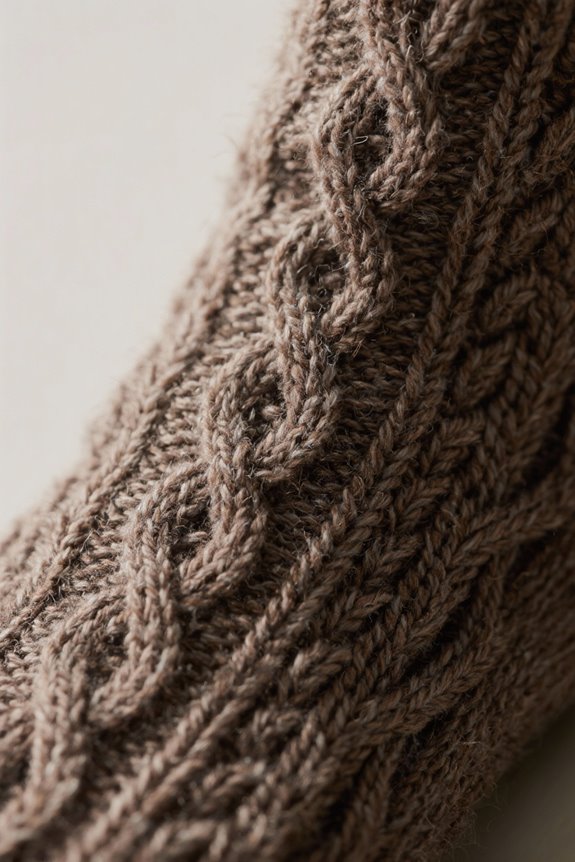
Wool fibers are special and different from other materials. They have unique wool properties that make them ideal for socks. The outer cuticle layer of wool is scaly, which helps to repel water and improve durability. This scaly layer helps with moisture management by allowing breathability. Wool fibers also have natural crimps, creating air pockets that trap warmth. These air pockets provide insulation without overheating. Wool’s inner structure absorbs moisture and releases vapor, keeping feet dry and odor-free. When compared to cotton, wool wicks moisture away from the skin better. It keeps feet warm in wet conditions, adding to its advantages for sock wearers. Understanding these properties helps choose the right socks for any season or activity. Furthermore, moisture-wicking properties are essential for maintaining comfort during winter activities.
Frequency Guidelines Based on Activity Level
Choosing the right time to wash winter socks depends on how much activity they see. For low to moderate activity, wool socks can be worn 2 to 3 times before washing. This is because wool has natural odor resistance. However, for high-intensity activities, like hiking or skiing, daily washing is best. It helps keep socks clean and maintains sock performance. In very wet or muddy conditions, socks should be washed more frequently to prevent dirt buildup. If socks are used indoors without much sweat, they can be worn multiple times. An activity adjustment is important for keeping them fresh and lasting longer. Remember, washing helps keep your socks in good shape and safe for your feet, as proper care can significantly enhance durability and longevity of your socks.
Washing Daily Use Socks

When it comes to washing daily use socks, hygiene is very important. Feet have a lot of sweat glands. This causes socks to absorb big amounts of sweat, creating a breeding ground for bacteria. To prevent bacteria growth and smell, washing socks after each wear is recommended. Unwashed socks can lead to foot infections, like athlete’s foot, and other skin irritations. For sock hygiene, the safest practice is to wash all socks after each use. Low-activity days might allow for longer wearing, but washing is essential. Alternating multiple pairs can help. Remember, keeping socks clean is important for foot health. Regular washing minimizes health risks and helps maintain comfort through the day. Proper care is key for freshness! Additionally, using socks made from materials like Merino wool can help with moisture-wicking and odor control, enhancing overall hygiene.
Caring for Socks After Intensive Activity
After washing daily use socks regularly, it’s important to care for socks that are worn during intensive activities. For sock hygiene, wash wool socks immediately if they are dirty or smelly. Wool fibers resist odor but sweat can build up. Some socks can be worn up to a dozen times if they stay clean and odor-free. Use cold or lukewarm water when washing. Choose gentle detergents for wool to preserve fibers. Avoid fabric softeners or bleach. Turn socks inside out to remove sweat better. Lay socks flat to dry and keep them out of direct sunlight. Always verify that socks are dry before wearing again to avoid bacteria and manage odor effectively. Additionally, considering their moisture-wicking properties, alpaca wool socks are a great choice for managing sweat during intensive activities.
Recommendations for Hand-Knit Socks

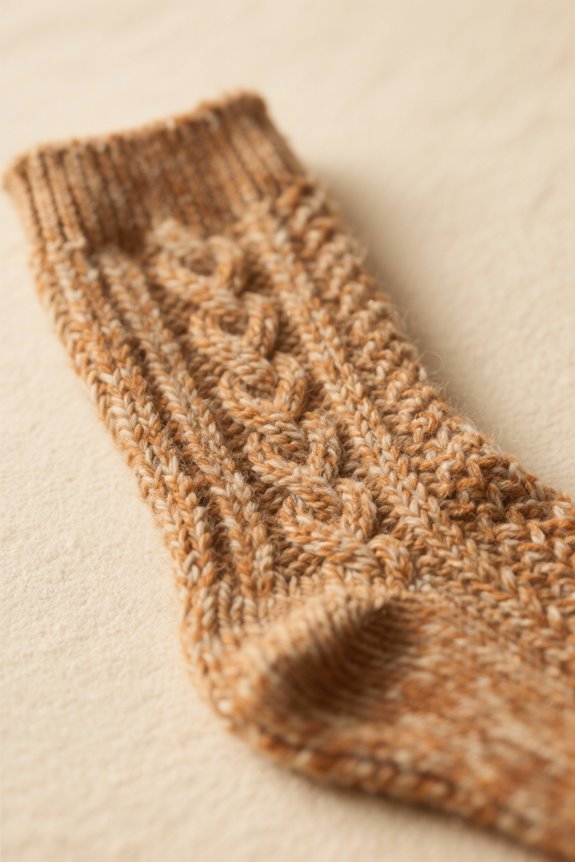
Hand-knit socks are special pieces of clothing that require careful attention. Washing them too often can hurt sock longevity and damage fibers. It is common to wear wool socks 2-3 times before washing. Airing out helps remove odors and keeps them fresh. When washing, use cold or lukewarm water and a gentle wool detergent. This helps maintain wool insulation while keeping the fibers safe. Soak the socks for 10-15 minutes and avoid rough scrubbing. When drying, line drying is best to keep their shape. If using a machine, turn them inside out and use a gentle cycle. Always skip fabric softeners; they reduce wool’s natural moisture-wicking abilities and insulation properties. Additionally, proper care can significantly enhance the durability and aesthetic appeal of your hand-knit socks.
How to Rotate Your Sock Collection
An effective sock rotation system is important for keeping socks in good shape. Owning about 14 to 21 pairs of socks is recommended. This number helps cover daily wear and washing cycles. If laundry happens weekly, 10 to 12 pairs are enough. However, if washing is less frequent, more pairs are necessary. Seasonal adjustments can also be helpful; in winter, thicker socks might be needed more. Rotating socks evenly helps wear and tear. It allows socks to rest, keeping them elastic. For active people, frequent changes, even mid-day, are necessary to support foot health. A good rotation strategy is key for comfort and sock longevity. Adjusting sizes based on laundry habits is also important for effective sock rotation. Additionally, the right thermal socks can enhance warmth and comfort during the cold months.
Optimal Washing Methods
Washing winter socks properly is an important part of sock care. First, use cold or lukewarm water to avoid damage. Hot water can cause shrinking and break down fibers. For washing techniques, gentle methods are best. Hand-washing is great, but if using a machine, select the delicate cycle. Turn socks inside out to clean well and reduce wear. For detergents, choose wool-specific ones like Soak or Eucalan that do not need rinsing. Avoid harsh soaps and bleach, as they hurt wool fibers. Gently press out excess water after washing. Finally, line drying flat helps keep socks’ shape. Proper washing will extend the life of knitted winter socks. Follow these guidelines for effective sock care.
Temperature Considerations for Washing Wool
When choosing the right temperature for washing wool socks, it is essential to take into account how it affects the fibers. Cold water, about 30°C or lower, is best to prevent shrinking and damage. Warm water can sometimes work, but it must not exceed “warm” settings, or sock lifespan is shortened. Hot water weakens wool fibers and causes shrinkage. The temperature impacts the washing efficiency too. Lower temperatures maintain fiber strength and extend sock usability. Washing wool often in hot water can damage and deform the socks permanently. Careful temperature management preserves wool’s softness and reduces pilling. Thus, choose cool or warm washes to keep socks fresh while ensuring they last longer for cozy winter days.
Choosing the Right Detergent
Choosing the right detergent is important for preserving winter socks, especially those made from wool. Mild detergents are best. Wool-specific detergent types, like Eucalan and Soak, help keep the fibers safe. It is essential to avoid heavy-duty or bio detergents, as these can damage wool’s proteins and colors. Liquid detergents are preferable over powders, but if using powder, make sure to pre-dissolve to avoid concentrated residues. Also, avoid detergents with bleach, enzymes, or optical brighteners. These can weaken wool and irritate the skin. Using eco-friendly and hypoallergenic detergents is smart for both fabric care and sensitive skin. Less detergent is better too—just a small amount helps keep socks soft and cozy.
Tips for Maintaining Sock Shape
Maintaining the shape of winter socks is essential for their longevity and comfort. Proper sock storage helps prevent creases and misshaping. Always wash socks in cold or lukewarm water and prefer hand washing to reduce agitation. After washing, lay socks flat to dry. Avoid wringing or twisting as this can distort their shape. Using sock blockers can gently reshape the socks. Regular sock rotation is also important. By wearing different pairs, you can reduce wear on each individual sock. Inspect socks for holes and mend them quickly to maintain elasticity. Remember, with careful washing, storage, and rotation, knitted winter socks can last longer and keep their original form. Take extra care to enjoy your favorite socks for many seasons.
Preventing Pilling and Fiber Damage
Pilling and fiber damage can be a common issue with winter socks, especially those made of wool. To prevent this, care techniques should be followed. First, wash socks inside out. This helps reduce fiber abrasion and pilling by limiting surface friction. Use cool or lukewarm water to keep fibers strong. Hot water should be avoided because it can break down fibers. Also, choose a gentle detergent made for wool. Avoid harsh chemicals and fabric softeners that can harm the fibers. Washing less frequently also extends the life of socks. Rotating multiple pairs helps reduce wear. Keep in mind that careful handling during washing, like gentle agitation or using a lingerie bag, prevents damage and pilling.
Air Drying vs. Machine Drying
Caring for winter socks goes beyond just washing. One important choice is drying methods. Air drying is best for sock longevity. It maintains fabric integrity like elasticity and softness. Drying flat in the shade stops fading and keeps shape. This method also reduces shrinkage risks from heat. Air drying might take longer, but it prevents odor and mildew.
Machine drying can be quicker, but it has risks. High heat may damage the fibers. For wool socks, low heat is safer but can still strain the fabric. Frequent machine drying shortens sock lifespan. So, a gentle approach, using the lowest setting if needed, helps too. Balancing drying methods is key. Choosing how to dry socks matters for their care and quality.
Frequently Asked Questions
Can I Use Regular Detergent for Washing Wool Socks?
Using regular detergent for washing wool socks is not advisable. Detergent types that are harsh can damage wool fibers. Proper wool care involves using specialized detergents to maintain softness, elasticity, and overall sock longevity.
How Should I Store My Wool Socks When Not in Use?
To guarantee socks organization and ideal storage, keep wool socks in a cool, dry place, using breathable containers. Employ natural repellents to deter pests, and inspect regularly while verifying they’re clean and fully dry before storage.
Will Washing Damage the Elasticity of My Wool Socks?
Washing wool socks is akin to a double-edged sword; while necessary, excessive washing frequency jeopardizes elasticity retention. Balancing wear and care is essential to maintain their resilient form and prolong their cozy life.
Is It Safe to Iron Knitted Wool Socks?
It is generally unsafe to iron knitted wool socks due to fabric sensitivity. For ideal sock care and fabric safety, experts recommend avoiding heat, opting instead for hand shaping and blocking to maintain integrity and appearance.
How Do I Remove Stubborn Stains From Wool Socks?
Stubborn stains on wool socks often seem indomitable, yet stain removal techniques reveal their vulnerabilities. Using gentle blotting along with wool care tips like soaking can effectively conquer even the most persistent offenders while preserving fiber integrity.
Conclusion
To conclude, taking care of knitted winter socks is important for their longevity and comfort. Washing them based on activity and type helps maintain their shape and quality. Just like a superhero needs their cape, your socks deserve the best treatment too. Remember to choose the right detergent and avoid harsh methods. By following these guidelines, your socks can last through many winters, keeping your feet warm and happy! Happy sock washing!