As an Amazon Associate, we earn from qualifying purchases. Some links may be affiliate links at no extra cost to you. Although our opinions are based on curated research, we haven't used these products. Articles generated with AI.


How To Care For Delicate Knitted Women’s Cardigans?

To care for delicate knitted women’s cardigans, wash them gently in lukewarm water with special wool detergent. Handwashing is best, but you can also machine wash on a delicate cycle inside a mesh bag. Rinse with cool water until no soap bubbles are left. Dry flat on a towel, avoiding direct sunlight. Use gentle steaming to refresh the fabric. To keep cardigans looking nice, check for pilling or damage regularly and store them properly. There is more useful information ahead.
Key Takeaways
- Handwash cardigans in lukewarm water with a gentle wool-specific detergent to remove dirt without damaging fibers.
- Rinse thoroughly with cool water, ensuring no soap bubbles remain, to prevent shrinkage.
- Dry flat on a clean towel to maintain shape and avoid stretching or sagging.
- Regularly check for pilling and trim gently with a cashmere comb to keep the fabric looking fresh.
- Store cardigans flat in a cool, dry place, avoiding direct sunlight or crushing to preserve their shape.
Understanding Delicate Fabrics
You may be interested



When caring for women’s cardigans, it is important to understand delicate fabrics. These fabrics often include fine natural fibers like silk, cashmere, and wool. These fiber types are soft and smooth, giving a luxurious feel, but they need careful handling to prevent damage. Delicate fabrics usually have loose or fine weaves, like satin or cotton voile, making them lightweight. However, this also makes them vulnerable to snagging. Most delicate fabrics are breathable and hypoallergenic, which helps with comfort, especially for sensitive skin. The delicate nature of these fibers results in lower strength. As a result, knowing fabric properties is essential when selecting and caring for cardigans. Proper knowledge helps in achieving long-lasting wear and maintaining the cardigan’s appearance. Additionally, it is crucial to consider the durability and care of materials to ensure they remain in good condition through winter wear and beyond.
Washing Techniques
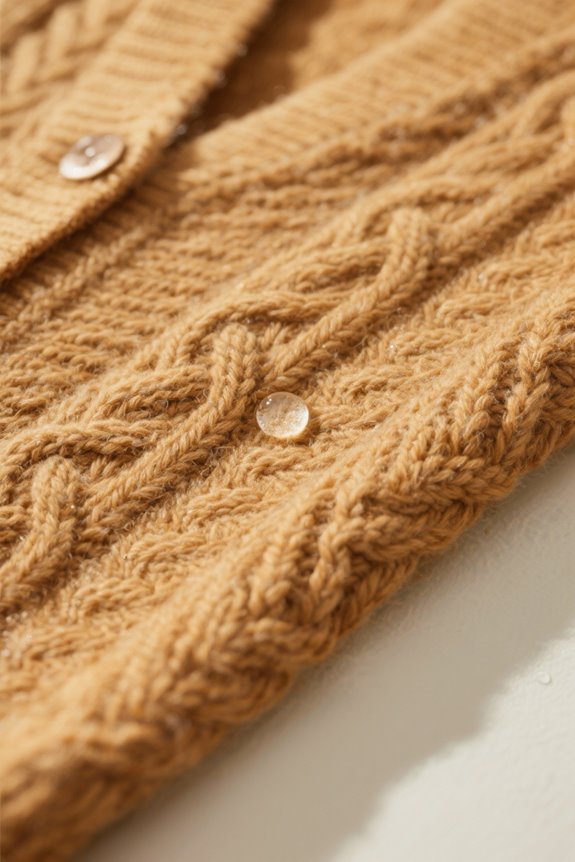
Washing techniques for women’s cardigans are very important for keeping them in good shape. Handwashing benefits are many. It uses lukewarm water and a gentle wool-specific detergent. This helps avoid damage to fibers. One should fully submerge the cardigan and gently agitate it. Soaking for 15-20 minutes loosens dirt. Machine washing is also an option. Turn cardigans inside out to protect colors. Use a mesh bag to reduce snagging. Setting the machine to delicate or wool cycle with cold or lukewarm water is best. Avoid hot water since it can cause fading. It is always better to wash cardigans less often to reduce stress on the fibers. Proper washing helps maintain the beauty and life of the cardigan, and cashmere fibers require special care to maintain their softness and durability.
Rinsing Properly
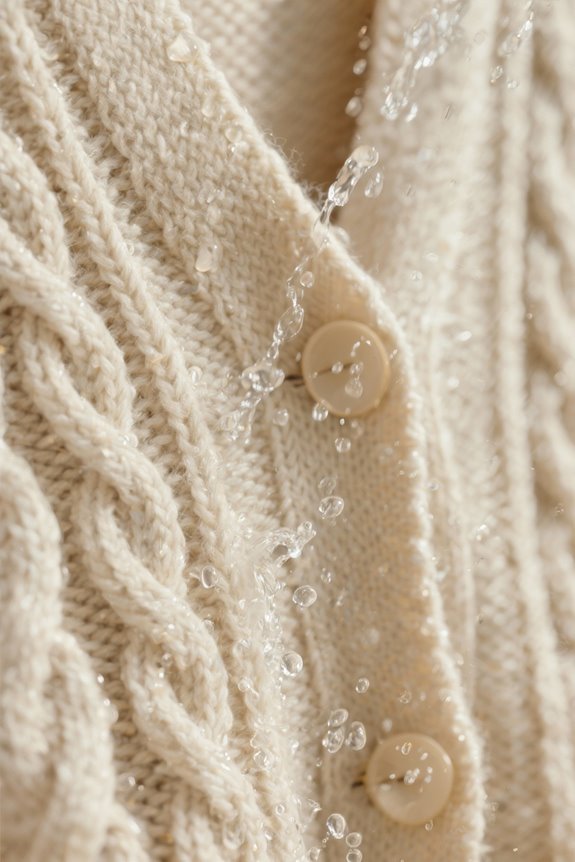
Rinsing properly is a key step in caring for women’s cardigans. It should be done with cool or cold water. This helps prevent shrinkage and color bleeding. Warm water can harm delicate fibers. After washing, drain the soapy water completely. Refill the basin and prepare for thorough rinsing. Gently agitate the garment while rinsing to guarantee all detergent is removed. This helps keep the fibers intact. Usually, two to three rinses are needed until no soap bubbles remain. Checking for bubbles can confirm it is done. Remember not to twist or scrub the cardigan. Gentle handling is important after rinsing. This will keep the cardigan’s shape and softness. Proper rinsing maintains the quality and longevity of the garment, particularly as different materials can react differently during washing, such as those found in various materials used for knitwear.
Effective Drying Methods

Proper drying methods are important after rinsing women’s cardigans. To maintain shape during drying, use flat drying techniques. Lay the cardigan flat on a clean towel or mesh drying rack. This helps avoid gravity’s pull, which causes sagging and stretching. Apply gentle pressure to soak excess water but do not wring it. Confirm air circulation to speed up drying without heat damage. Avoid direct sunlight and heaters; these can make fibers stiff or cause shrinkage. Specialized drying tools, like sweater racks, can help support the garment’s shape. Reshape the cardigan gently as it dries. These basic drying techniques and essential tools will help keep cardigans looking their best for longer. Remember, gentle care goes a long way! Additionally, properly caring for cashmere cardigans includes avoiding bleach and direct ironing to ensure they last through many seasons.
Choosing the Right Detergent

Choosing the right detergent is key to caring for women’s cardigans. Detergent types made for delicates are important. Look for gentle options that say “neutral” or “delicate.” These detergents help keep fragile fibers strong. Avoid harsh detergent ingredients like enzymes, dyes, or bleach because they harm delicate materials like wool or cashmere. Hypoallergenic and fragrance-free options are great for sensitive skin. Liquid detergents meant for cold water washing are good too. They protect the fabric while cleaning. For wool cardigans, choose a detergent designed specifically for wool as they have mild surfactants. Use less detergent to prevent residue, pilling, or fabric stiffness. Proper dosage and rinsing are essential to keep cardigans in good shape. Additionally, proper care helps maintain the moisture-wicking properties of the fibers in garments made from wool.
Maintenance Tips for Longevity
Maintaining women’s cardigans is important for preserving their look and feel. Proper fiber care helps cardigans last longer. It is best to limit washing frequency. Washing them once per season is recommended, especially for wool cardigans. When washing, use cold water and a gentle cycle to protect the fibers. Turn the cardigan inside out, and place it in a mesh laundry bag. Hand washing is ideal; soak gently in cool water with mild detergent. After washing, dry flat on a clean towel to prevent stretching. Avoid hanging them when wet. Regularly check for pilling and gently remove pills to keep the fabric fresh. Taking these steps will guarantee the cardigan stays in good condition for many seasons. Additionally, choosing high-quality materials like soft acrylic fibers can significantly enhance the cardigan’s durability and comfort.
Storing Your Cardigan
Cardigans need correct storage methods to keep them looking new. For best results, use breathable storage bins made from fabric. This helps air circulation and avoids moisture buildup. If you need long-term storage, airtight plastic containers can be used, but always verify the cardigan is clean and dry first. Cedar blocks or lavender sachets in storage help with moth prevention. It is better to avoid plastic dry-cleaning bags since they trap moisture and may cause mildew. Folding the cardigan instead of hanging it is a must to prevent stretching. Use the Marie Kondo fold for neat storage. Finally, always check stored cardigans regularly for signs of moth damage to make certain they stay in good condition.
Best Wearing Practices
Wearing a cardigan requires attention for the best look and comfort. To maximize use, choose layering strategies wisely. Pair delicate cardigans with smooth fabrics to avoid pilling caused by friction. Also, avoid heavy layers on top that can stretch or snag the fibers. Wear lightweight tops beneath to keep warmth without bulk. Coordinate outfits with similar stretch properties to maintain the cardigan’s shape. Neutral accessories are recommended since they will not catch on the knit. It is also important to prevent activities that stress delicate knits, like heavy lifting. Finally, be mindful of temperature and avoid exposing the cardigan to moisture or extreme heat, which can damage the fabric.
Handling and Care During Wear
When it comes to caring for a cardigan during wear, proper handling is essential for keeping it looking good. Fabric handling is important; care should be taken to avoid rubbing against rough surfaces. This can cause pilling and fiber damage. Also, wear awareness is key to avoid snagging on jewelry or sharp objects that can harm the knit. Be gentle while buttoning or unbuttoning, to stress the seams and buttonholes less. It’s best to fold the cardigan rather than hang it, as this prevents shoulder stretching. If wearing around potential stains, consider using a protective scarf. After wear, store it flat to maintain its shape and prevent crushing of knit fibers.
Managing Pilling and Damage
Managing pilling and damage in delicate cardigans is important for their upkeep. Pilling occurs from friction, especially on sleeves and underarms. To reduce this, pilling prevention techniques like using tightly twisted yarns can be helpful. Smaller needle sizes during knitting also create firmer fabric, which minimizes pilling. Washing cardigans less often is another smart choice.
For damage assessment methods, check for small holes or loose fibers regularly. Gentle trimming of pills with a cashmere comb can remove fuzz without harming the fabric. After wearing, fold your cardigan and store it flat to prevent further damage. By using smooth outer layers and treating the fabric with care, one can guarantee the longevity of these beautiful garments.
Refreshing and Revitalizing Your Knitwear
Many cardigans can benefit from rejuvenating and revitalizing every now and then. To refresh the knit texture, a gentle steaming with a wool setting on the iron can help. Spraying a little water before steaming reduces heat damage and aids in fabric revitalization. After washing, it’s critical to reshape the cardigan. Laying it flat on a towel helps maintain its form. Avoid twisting or wringing as this can stretch the fibers. Also, regularly airing out the cardigan helps remove odors, keeping it fresh. For pilling or fuzziness, using a defuzzing comb removes unwanted pills without harming the fabric. These care tips contribute to longer-lasting and refreshed knitwear every season. Remember, proper attention makes a difference!
Frequently Asked Questions
Can I Iron My Delicate Knitted Cardigan?
Ironing a delicate knitted cardigan is possible using gentle techniques. Fabric protection is essential; employ a low heat setting, use a pressing cloth, and avoid direct contact to prevent damage and preserve the garment’s integrity.
Is It Safe to Use Fabric Softeners?
Fabric softeners may not be safe for delicate knits, potentially reducing their longevity and softness. Fabric softener alternatives and proper washing guidelines, such as gentle detergents and minimal use, are recommended to protect delicate fibers.
How Do I Prevent Moth Damage?
To prevent moth damage, employ moth traps, place natural repellents like cedar and lavender among garments, regularly vacuum storage spaces, and guarantee proper cleaning before storage to minimize infestation risks and protect cherished knitwear.
What Should I Do if My Cardigan Shrinks?
If a cardigan shrinks, employ shrink remedies like soaking in warm water with conditioner, gently pressing out excess water, and reshaping. Follow wash instructions to prevent future shrinkage, emphasizing cold water and air drying methods.
Can I Bleach My Knitted Cardigan?
Bleaching knitted cardigans is not recommended, as it risks severe fiber damage and color fading. Instead, consider safer bleaching alternatives or gentle detergents to maintain garment integrity without compromising the delicate fabric’s structure.
Conclusion
In conclusion, taking care of delicate knitted women’s cardigans is essential for keeping them looking lovely. From using gentle washing techniques to selecting the right detergent, every step counts. Proper drying methods help maintain shape and softness. Wearing practices can protect cardigans from damage, while managing pilling guarantees they stay neat. With careful attention, these cardigans can remain a cherished part of any wardrobe, like a warm hug on a chilly day.


