As an Amazon Associate, we earn from qualifying purchases. Some links may be affiliate links at no extra cost to you. Although our opinions are based on curated research, we haven't used these products. Articles generated with AI.

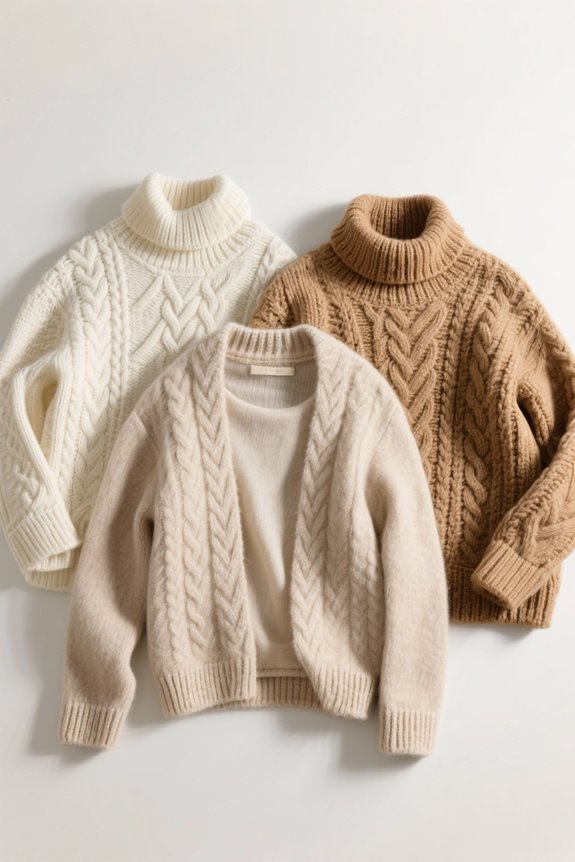
How To Layer Sweaters For Maximum Warmth?

Layering sweaters for maximum warmth is important. Start with a snug base layer made of moisture-wicking fabric like merino wool. Then, add a mid-layer sweater for insulation. Fleece or thicker wool works great here. Finally, finish with an outer layer that is windproof and water-resistant, like a jacket. This outer layer should fit well and not compress the mid-layer. Adjust layers as needed during activities to stay comfortable. There are more tips to explore for effective layering.
Key Takeaways
- Choose a fitted moisture-wicking base layer under your sweater to keep your skin dry and maximize warmth retention.
- Opt for a mid-layer sweater made from fleece or wool to trap warm air and allow for breathability.
- Select an outer layer or coat that provides windproofing and water resistance without compressing your sweater layers.
- Regularly assess your warmth and adjust your layers by adding or removing sweaters depending on your activity level and environment.
- Enhance warmth by including accessories like hats and scarves, which can add insulation and block cold drafts around your neck and head.
Understanding the Three-Layer System
You may be interested


The three-layer system is an effective way to dress for various weather conditions. This system includes a base layer, mid layer insulation, and an outer layer. The mid layer is key; it traps warm air close to the body, helping to keep the temperature steady. It should allow for some breathability, letting sweat escape. Layering flexibility is important. You can choose thicker or thinner mid layers based on weather or activities. Good materials for mid layers are fleece, down, synthetic insulation, and wool. Each of these materials offers different benefits. Wearing a slightly loose mid layer is best to let air flow and keep you warm without stopping your movement. This makes the three-layer system very adaptable. Additionally, incorporating a knitted weighted blanket can enhance your overall warmth and comfort during colder climates.
Choosing the Right Base Layer

Choosing the right base layer starts with understanding how it will work with the mid layer and outer layer of the three-layer system. Base layers offer many benefits. They help to manage moisture by moisture wicking. This means they pull sweat away from the skin to keep people dry and comfortable. The fit is usually snug, which is important for trapping warmth and allowing for ease of movement. Popular materials for base layers include merino wool and synthetic fabrics. Merino wool is soft and warm, while synthetics are durable and dry quickly. Lightweight options are good for high-energy activities, and heavyweight ones are best for cold conditions. Picking the right one is key to staying cozy while layering. Additionally, moisture-wicking properties found in many winter gloves enhance comfort and keep hands dry during activities.
Premium Wool Processed in USA – Our raw wool comes from Corriedale sheep in South America, a region known for its high-quality felting wool. We work with top mills to ensure soft, clean, and minimally processed roving wool in a rich, un-dyed natural ecru color. Perfect for needle felting wool bulk and wool craft felting.
SUPERIOR MERINO WOOL, Crafted for Serious Quilters. Made from 100% Merino wool for superior heat retention and durability. Enjoy a smoother, more efficient pressing experience, ensuring consistent, professional results with every press. Perfect for quilters who demand top performance.

Beautiful Skin Tone Palette – Includes carefully selected shades like Ivory Hollyhock Bread Etoile Bark Sand Acacia Cherry Blossom and Shell for making realistic dolls animals and people
Selecting an Insulating Mid Layer
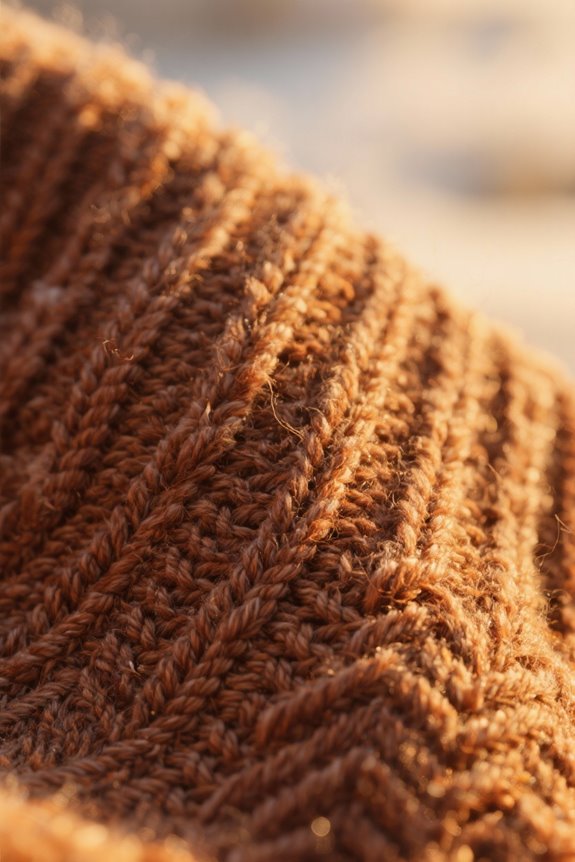
Selecting the right insulating mid layer is essential for being warm and comfortable. Different insulation types provide various warmth levels. Synthetic mid layers are lightweight and warm, great for cooler weather. Down insulation traps air pockets, giving excellent heat retention but can get wet and lose warmth. Fleece is breathable and lets moisture escape, perfect for skiing or active wear. Merino wool stays warm even when damp, and it breathes well, which is helpful too. Hybrid mid layers use synthetic insulation with weather-resistant outsides for breathability against wind. It’s important that mid layers fit snugly but not too tight. They also should let you move freely. Remember to avoid cotton, as it can retain moisture and make you cold. Additionally, incorporating high-quality fabric blends into your layering strategy can enhance overall warmth and comfort.
Picking an Effective Outer Layer
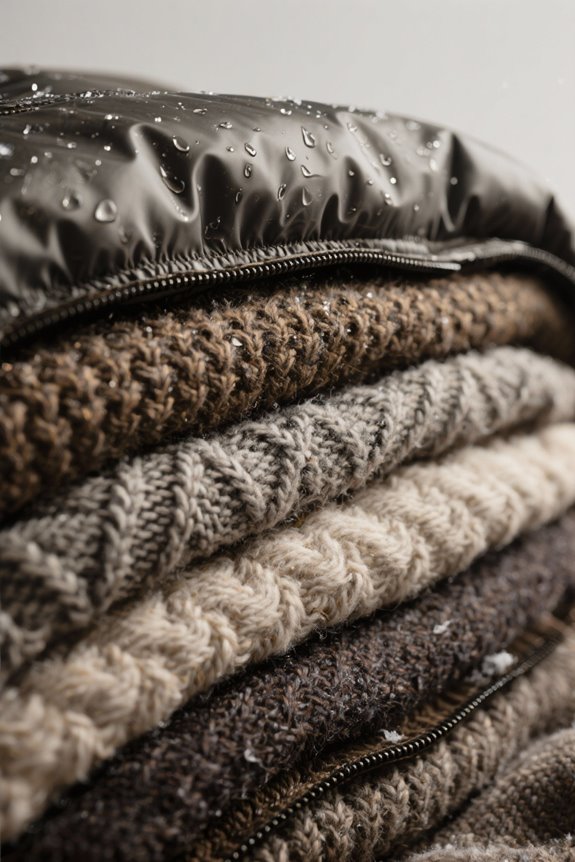
After finding the right insulating mid layer, picking an effective outer layer is very important for overall warmth. An effective outer layer provides many benefits. It should be windproof to block cold air. Additionally, it needs water-resistant features to protect insulation from getting wet. The outer layer must have enough room to avoid compressing the mid layer. Adjustable features, like hoods and cuffs, help with fit and weather protection. Common materials for outer layers include lightweight down or synthetic options with waterproof membranes. Softshells also work well in moderate conditions. Finally, design features like sealed zippers and insulated pockets increase warmth. Proper care, like regular cleaning, keeps the outer layer performing well against the elements. Choosing an outer layer made from high-quality fabrics ensures durability and effectiveness in providing warmth.

Material: polar fleece(lining) +polyester.

This woven fabric is durable, water-resistant and highly breathable. It is ideal for outerlayer garments such as spring jackets and coats, sportswear and more.

This woven fabric is designed for comfort in varied conditions. It is durable, water-resistant, wind-resistant and highly breathable. It features a membrane layer, laminated between a layer of warm fleece and a layer of bonded polyester/spandex.
Layering Techniques for Sweater Combinations
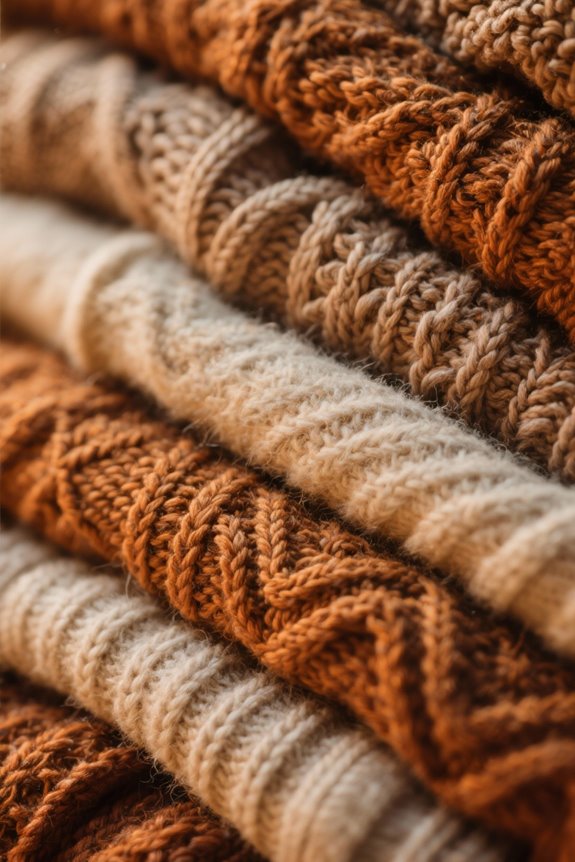
When planning to layer sweaters, one must take into account various combinations for warmth and style. Start with a thin, moisture-wicking base layer. Sweaters made of merino wool work well here. Next, add a mid-weight layer like a cable-knit wool sweater. This traps warm air for better warmth retention. Different textures will help with thermal efficiency. Avoid bulky sweaters which can limit movement. Utilize lightweight sweaters too, like cotton, when temperatures are mild. These can help adjust warmth easily. Mixing necklines adds style and retains heat better, too. A turtleneck under a crew neck is a good choice. Remember, effective layering styles depend on choosing the right combinations to maximize comfort and warmth. Additionally, consider incorporating sweaters made from genuine alpaca wool, as they provide superior warmth and durability due to their unique insulating properties.
Tailoring Fit for Maximum Insulation
Tailoring sweaters for a better fit is essential for warmth. Sweater dimensions play a key role in insulation performance. A well-fitted sweater traps warm air close to the body, which enhances insulation. If a sweater is too loose, cold air can flow in and heat can escape. However, a sweater that is too tight can restrict blood flow, making it uncomfortable. Tailoring techniques include shortening sleeves and the body, taking in side seams, and adjusting hems. These adjustments help avoid folds that can degrade insulation. It is also important to keep cuffs and hems elastic to prevent cold air from getting in. Proper fit will maximize warmth and comfort while wearing layered sweaters. Additionally, quality materials like alpaca wool scarves contribute significantly to overall warmth and comfort regardless of layering.
Material Matters: Best Fabrics for Sweater Layering
Choosing the right fabric is very important for sweater layering. Natural fibers like wool and alpaca are great for warmth retention. Wool is an excellent insulator, while alpaca is softer, lighter, and hypoallergenic. Cashmere and silk also make good base layers because of their lightweight insulation.
Synthetic fabrics like polar fleece mimic wool for insulation efficiency, while remaining breathable and moisture-wicking. They dry quickly and can last a long time. Combining fabrics is key. For example, use silk or cashmere as base layers, wool or midweight fleece as middle layers, and chunky wool for outer layers. Always consider durability and hypoallergenic qualities when choosing materials. These fabric combinations enhance warmth and comfort in any layering system.
Maintaining Breathability While Layering
Breathability is key in sweater layering. To enhance moisture management, begin with a snug base layer made from moisture-wicking materials like merino wool or synthetic polyester. Avoid cotton, as it absorbs sweat, making you feel cold and clammy. Next, choose slightly loose midlayers that create air pockets for insulation and improved moisture evaporation. It is also important to pick sweaters with natural stretch or looser knit patterns for added airflow. Use outer layers that block wind while still allowing moisture to escape, like breathable fleece. Adjusting layers is helpful when starting to feel too warm or sweaty. These breathability strategies guarantee comfort and keep you warm without feeling heavy or damp. Proper layering makes a difference!
Adjusting Layers for Activity Levels
Adjusting layers according to activity levels is important for comfort during outdoor activities. When engaging in high-intensity activities, lightweight base layers are recommended. This helps prevent overheating. If one begins to sweat, immediate layer adjustments should be made. Removing or adding insulating layers can prevent excessive heat. After about 15-20 minutes of steady movement, checking for excessive warmth is advised. For lower intensity or rest periods, thicker mid layers can help maintain warmth. It is wise to carry extra layers like warm hats and gloves. This guarantees readiness during activity shifts or changing weather. Familiarity with each garment’s properties aids in optimizing layering. Ultimately, effective layer adjustments help maintain comfort and warmth outdoors.
Practical Tips for Sweater Layering in Cold Weather
When layering sweaters for cold weather, it is important to think about the role of each layer. Start with a base layer made of merino wool or synthetic blends. These fabrics wick moisture and trap warmth, which is very essential. Make sure it is snug but not tight. Avoid cotton as it holds water. For the middle layer, opt for fleece or wool sweaters to keep warmth. These can have innovative patterns and seasonal colors, making them stylish. The outer layer should be water-resistant and windproof, blocking bad weather. A cocoon-like cut helps with comfort. Also, add accessories like scarves and hats for extra warmth. Each layer is important to keep cozy and comfortable.
Frequently Asked Questions
Can I Wear Cotton Sweaters When Layering?
Yes, cotton sweaters can be worn when layering. Their breathability and comfort, paired with effective layering techniques using moisture-wicking materials, maximize cotton benefits while enhancing warmth and thermal regulation in various conditions.
How Do I Clean My Layered Sweaters Properly?
Nearly 70% of sweater fabrics benefit from hand washing. To clean layered sweaters properly, utilize mild detergents, soak gently in cool water, and avoid wringing. Washing tips include drying flat to maintain shape.
Should I Wear Multiple Thin Sweaters or One Thick One?
Choosing multiple thin sweaters can enhance insulation through layering techniques, trapping air effectively compared to a single thick sweater. This method allows for temperature regulation and comfort, accommodating changing conditions without sacrificing warmth.
Can I Mix Natural and Synthetic Fibers in Layers?
Mixing fibers is effective in layering techniques. Natural and synthetic blends enhance warmth and moisture management, optimizing comfort. Proper combinations can improve durability while maintaining insulation, making them suitable for various conditions and activities.
What Is the Best Way to Store Layered Sweaters?
Ironically, storing layered sweaters poorly defeats their purpose of providing comfort. Ideal sweater storage requires seasonal rotation, cool environments, and breathable containers to prevent damage and maintain their inviting shape for future cozy moments.
Conclusion
To sum up, layering sweaters for warmth seems simple, but it often feels like a puzzle. You think adding one more layer will keep you cozy, but it can also make you stuffy. Choosing the right base, mid, and outer layers is key. Remember to check materials too. Ironically, staying warm can lead to discomfort if not done right. So, next time you layer, keep in mind: balance is the secret for ultimate comfort in cold weather.