As an Amazon Associate, we earn from qualifying purchases. Some links may be affiliate links at no extra cost to you. Although our opinions are based on curated research, we haven't used these products. Articles generated with AI.


Why Is Sustainability Important In Knitted Fashion?

Sustainability is really important in knitted fashion. It helps reduce environmental problems and promotes good practices. Knitting with eco-friendly materials, like organic cotton and wool, supports health and reduces waste. Ethical production guarantees safe working conditions for workers too. Many customers want clothes that respect nature. They prefer brands that show their commitment to sustainability. This encourages brands to create better products. Keep going to explore more about these practices and their impact on the fashion industry.
Key Takeaways
- Sustainability in knitted fashion minimizes ecological impact by utilizing eco-friendly materials like organic cotton and biodegradable fibers, promoting a healthier environment.
- Ethical production practices ensure fair wages and safe working conditions for workers, addressing labor rights issues prevalent in the textile industry.
- Sustainable practices, such as waste reduction and upcycling, help divert significant textile waste from landfills, reducing the overall environmental footprint of the industry.
- Investing in durable, sustainable knitwear enhances product longevity, encouraging consumers to value quality over fast fashion and reducing frequent replacements.
- Growing consumer awareness and preference for sustainable clothing options compel brands to adopt eco-friendly practices, influencing market trends and fostering environmental responsibility.
Understanding Eco-Friendly Materials in Knitted Fashion
You may be interested
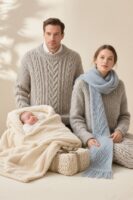


When it comes to eco-friendly materials in knitted fashion, many options provide sustainable choices. Natural fibres like organic cotton, linen, and wool are great picks. Organic cotton and linen do not use harmful pesticides. This means healthier skin contact and less environmental harm. Wool, like merino and baby alpaca, is renewable and biodegradable. This helps in reducing waste. Certifications like GOTS guarantee that these natural fibres have eco-friendly production processes. Linen, from flax, is also a wise choice as it requires less water and chemicals. These fibres work well with knitting techniques. They help in creating impressive and soft knitwear. Choosing natural fibres supports not only sustainability but also promotes healthier choices for both the environment and wearers. Additionally, many wool products, including alpaca wool scarves, highlight the importance of ethical sourcing and artisan craftsmanship in fashion sustainability.

Generous Yardage & Weight: Each ball includes 547 yards (500 meters) and 5.19 ounces (147 grams), providing ample material for knitting and crocheting projects.

Content: 100% Cotton. This yarn is great for knitting, crocheting, amigurumi and craft projects. Easy to care for, machine wash and dry. USA grown cotton.

Bamboo knitting needles
The Importance of Ethical Production Practices

Sustainability in knitted fashion goes beyond materials; it also includes how those materials are produced. Ethical production practices are important in guaranteeing fair wages for workers. Many companies in the textile industry have been linked to unfair labor and unsafe conditions. Brands that focus on ethical sourcing prioritize worker rights and safety. This means they make certain factories follow health and safety standards. Transparency in the supply chain lets consumers know where their clothes come from. Certifications like Fair Trade and GOTS show that a brand is serious about ethical practices. Mapping supply chains carefully helps reduce violations against workers. Ethical production is about making good choices that protect both workers and the environment for a better future in knitwear fashion. Additionally, sustainable brands often utilize soft, breathable materials that align with eco-friendly practices, ensuring comfort without compromising on quality.

Each Ombre, Scent, Stripe Skein: 2 oz./56.7 g. 95 yards/86 meters.

(2) Skeins of 100% Soft, Absorbent Cotton 4 Ply Medium/Worsted Weight (4)

Includes 6 balls of 24/7 Cotton Yarn Ecru Factory Pack with 1 Craft Project Bag; A perfect Yarn for all kniting and crocheting projects
Waste Reduction and Recycling Initiatives in the Industry

In order to tackle the growing problem of textile waste, many companies in the fashion industry are starting to focus on waste reduction and recycling initiatives. These efforts include developing waste strategies like repairing and reusing garments. Companies such as Patagonia aim to use 100% sustainable materials by 2026, which helps cut down waste. Recycling technologies are also improving, but challenges remain. Only 8% of textile fibers come from recycled sources. Most textile waste still ends up in landfills. Brands are working to redesign production to minimize cut-and-sew waste. The need for better recycling technologies is important. Overall, the industry is pushing towards a more circular economy to reduce the environmental impact of fashion. Additionally, understanding how wool’s insulating properties can enhance sustainability efforts may lead to more eco-friendly garment production practices.
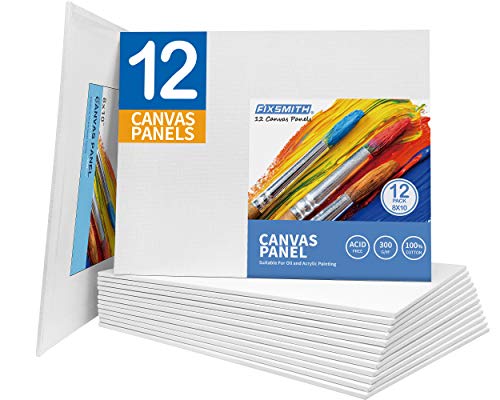
100% PURE COTTON CANVAS: Our canvas boards are made of cotton without rinsed with any alkaline chemicals,it keeps the natural tone and the fiber flexibility of the cotton yarns with high tension strength,so brushes just glide right over them and make painting effortless.Cotton Makes the Ideal Art Surface.The entire area of canvas is firmly glued to the board.
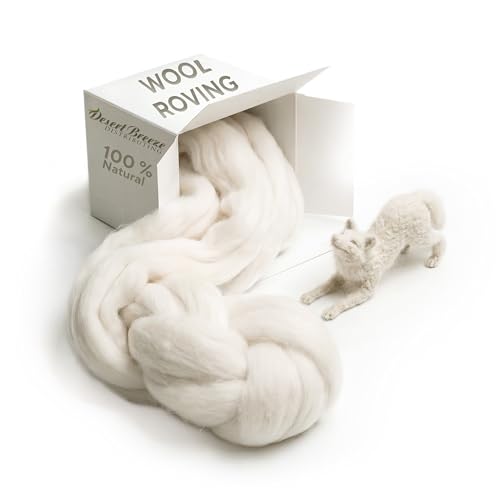
Premium Wool Processed in USA – Our raw wool comes from Corriedale sheep in South America, a region known for its high-quality felting wool. We work with top mills to ensure soft, clean, and minimally processed roving wool in a rich, un-dyed natural ecru color. Perfect for needle felting wool bulk and wool craft felting.

PROCESSED BY DHG IN ITALY – Sourced from DHG in Italy, renowned for producing premium-quality wool. The wool is carefully selected to ensure consistency over time. DHG processing complies with Oeko-Tex Standard 100. Their dying house is GOTS 5.0 and GRS-certified. The wool is soft, clean, gently processed and 100% pure natural roving wool.
Longevity and Durability of Sustainable Knitwear

Longevity and durability are important aspects of sustainable knitwear. These factors greatly affect how long a garment lasts in a wardrobe. Wool knitwear shows the longest lifespan compared to many fabrics. This reflects strong durability and quality, making it a favorite for knitters. Longevity assessment often involves durability testing. Good care, like proper washing, can also help maintain knitwear performance. Some companies use advanced knitting technologies, such as true seamless knitting, to lower waste and energy use. Adding elastomeric yarns helps improve shape retention. Furthermore, fiber dyeing guarantees better color retention, protecting aesthetic value. By focusing on these elements, sustainable knitwear can be both environmentally friendly and long-lasting for consumers. Luxury Merino wool offers exceptional softness and warmth, further enhancing the appeal of sustainable knitwear.
Consumer Influence on Sustainable Practices

Consumer choices play a significant role in shaping sustainable practices in the fashion industry. Many consumers, over 70%, care about sustainability when buying clothes. They want brands to be transparent, with 81% saying companies should help the environment. Consumer preferences now lean towards eco-friendly options. About 60% are ready to pay more for clothing made from sustainable materials, showing support for these brands. Marketing strategies that highlight eco-labels are effective since 78% of shoppers prefer brands that display them. Younger generations, like millennials and Gen Z, especially value sustainable products. Many consumers also focus on repairing clothes, not just buying new items, showing a shift from fast fashion to greener choices. This influence helps brands adopt better practices. Additionally, the trend towards vegan materials in home items reflects a growing commitment to ethical consumption.
Market Trends Driving Sustainable Knitted Fashion
As sustainable knitted fashion gains importance, many trends are shaping the market. Consumer awareness is increasing. Shoppers want clothes that are eco-friendly. This drives design innovation. Brands create garments using advanced materials like hemp and recycled fibers. Zero-waste production methods are also becoming common. For example, flatbed knitting technology makes clothing with less waste. Many companies focus on inclusivity by designing gender-neutral garments. These designs often feature adjustable fits and adaptive elements, making them accessible to all. Additionally, brands adopt take-back programs for recycling old garments. This helps create a circular economy, reducing overall textile waste. Together, these trends work towards a more sustainable future in knitted fashion. The influence of high-quality materials ensures longevity, enhancing the overall sustainability of knitted fashion items.
Environmental Impact of Traditional Knitted Fashion
The environmental impact of traditional knitted fashion is significant. The fashion industry is responsible for about 10% of global carbon emissions. Knitted clothing production greatly contributes to this carbon footprint through energy-intensive processes. Traditional methods lead to textile pollution, with dyeing and finishing phases causing major water contamination. Cotton farming’s high-water use adds to water scarcity. Additionally, resource depletion is a concern; natural fibers and synthetic materials both impose environmental stresses. Waste accumulation is another serious issue as millions of tons of textile waste end up in landfills each year. Eco friendly alternatives exist, but education on environmental ethics and sustainability is essential. Awareness can help reduce these negative impacts and promote better practices in the knitted fashion industry.
Challenges Facing Sustainability in the Industry
While aiming for sustainability, the knitted fashion industry faces many challenges. One major issue is supply chain transparency. The industry has many suppliers, making it hard to track materials and processes. This complexity also makes it tough to guarantee fair labor practices, leading to labor exploitation. Workers often have poor wages and unsafe conditions. Additionally, there is pressure to produce quickly, risking more unethical practices. Sustainable materials also create hurdles. They can be limited in availability and often cost more than traditional fibers. Furthermore, recycling knitted garments is hard because of fiber blends. This situation results in waste and environmental harm. Overall, these challenges hinder the industry’s goal to be truly sustainable and responsible.
Role of Certifications in Promoting Sustainability
To move forward in the quest for sustainability, certifications play a significant role in the knitted fashion industry. These labels are crucial in guaranteeing ethical sourcing and responsible production practices. The Global Organic Textile Standard (GOTS) confirms that materials have at least 70% organic fibers and checks social criteria. The OEKO-TEX label assures that products are non-toxic and safe for consumers. Certifications like NATIVA™ use blockchain to provide better traceability in the supply chain. This helps businesses prove their sustainability claims. When brands adopt these certifications, it builds consumer trust. People feel safer buying products that come with these reliable labels. As awareness grows, the demand for certified sustainable knitted fashion is likely to increase, benefiting both the planet and consumers.
Upcycling and Its Benefits for the Environment
Upcycling offers a creative way to reduce textile waste. This means using old clothes and materials to make new products. Upcycling benefits the environment by preventing about 16.9 million tons of textile waste from reaching landfills each year. When clothes are reused, it extends their lifecycle. This reduces the need for new materials like cotton and polyester, which saves water and energy. It also cuts down on carbon emissions, as upcycled clothing can lower them by 25% for each item. Additionally, upcycling helps small businesses grow and supports local jobs. By turning low-value textiles into higher-quality goods, consumers can help the planet. Overall, upcycling is an important way to make fashion more sustainable.
Future Directions for Sustainable Knitted Fashion
As the fashion industry looks toward the future, sustainability in knitted fashion becomes increasingly significant. Sustainable innovation is changing how knitwear is made. New biodegradable materials like organic cotton and hemp are being used more often. This helps the planet. Advanced knitting technologies like zero-waste techniques create less fabric waste. The designs are also evolving. Modular knitwear allows easy repairs and can be mixed or matched. Textured knits and colorful patterns add to the design aesthetics. Consumers want versatile and functional clothing, like athleisure wear that breathes. Finally, a focus on circular fashion means brands design for longevity. This includes repairs and recycling programs that decrease waste. Sustainability in knitted fashion is becoming an essential topic for future designs.
Frequently Asked Questions
How Can I Identify Truly Sustainable Knitwear Brands?
To identify truly sustainable knitwear brands, one should look for brand certifications like GOTS and B Corp, and assess their ethical practices, including transparent supply chains, fair labor conditions, and responsible sourcing of materials.
What Are the Most Common Sustainable Materials Used in Knitwear?
Common sustainable materials in knitwear include bamboo fibers, known for their rapid growth and soft texture, and Tencel fabric, derived from sustainably sourced wood pulp, offering biodegradability and moisture-wicking properties for environmentally conscious consumers.
Are Organic Cotton and Recycled Fibers Equally Sustainable?
Organic cotton benefits from chemical-free farming, nurturing ecosystems; however, recycled fibers offer a lower environmental impact by reducing waste and energy consumption. Each has unique sustainability advantages, making them complementary rather than directly comparable.
How Does Fast Fashion Affect the Knitted Fashion Industry?
Fast fashion undermines knitting ethics by promoting rapid production and disposability, leading to exploitation, resource depletion, and environmental damage. This pressures traditional knitwear to adopt unsustainable practices, jeopardizing quality and cultural appreciation for handcrafted garments.
What Are Some Easy Ways to Care for Sustainable Knitwear?
To care for sustainable knitwear, individuals should adopt eco-friendly practices, such as hand washing in cool water, using mild detergents, drying flat, and storing folded. These knitwear maintenance techniques preserve quality while minimizing environmental impact.
Conclusion
In summary, sustainability is essential in knitted fashion. It helps the environment and promotes fair practices. Research shows that over 60% of consumers prefer brands with clear sustainability practices. This means companies must focus on eco-friendly materials and ethical production. Upcycling also helps reduce waste. The future of knitted fashion looks promising, as more brands adopt sustainable methods. Consumers play a big role in this change. Everyone can help make fashion more responsible and better for the planet.


