As an Amazon Associate, we earn from qualifying purchases. Some links may be affiliate links at no extra cost to you. Although our opinions are based on curated research, we haven't used these products. Articles generated with AI.


How Many Pillow Covers Should You Own?

The ideal number of pillow covers a person should have is usually two per pillow. This allows one cover to be in use while the other gets washed. If you have more pillows, you might want more covers. Strong and hypoallergenic materials can help keep pillows clean and protect against allergens. Also, consider seasonal fabrics and colors for variety. Knowing the right number of covers helps in choosing and organizing pillows for comfort. There’s more to explore about pillow choices and care.
Key Takeaways
- It’s recommended to have at least two covers per pillow—one for use and one for washing.
- Households with multiple pillows or frequent guests may require a higher number of covers for convenience.
- Seasonal changes may necessitate 2 to 3 sets of pillow covers per pillow to accommodate varying fabric preferences.
- Choosing strong, durable materials can prolong the lifespan of your pillow covers and reduce replacement frequency.
- For allergy sufferers, having allergen-proof covers is advisable for enhanced protection and cleanliness.
Understanding Pillow Types and Sizes
You may be interested



When choosing pillow types and sizes, it is important to understand the differences available. There are various pillow types like feather, down, latex, and silicone. Their fillings affect comfort and support. Pillow sizes also have standard measurements. Standard pillows are about 20 by 26 inches, while queen pillows measure 20 by 30 inches, and king pillows are 20 by 36 inches. Each size variation requires a specific pillow cover. Special sizes like body pillows or European squares need their own covers too. Picking the right pillow cover size guarantees a snug fit and prevents slipping. Understanding these pillow types and size variations will help in making an informed purchase. A good fit is worth the effort for better sleep, similar to how choosing the right knitted throw blanket can enhance comfort and aesthetics in your living space.
Calculating the Ideal Number of Pillow Covers
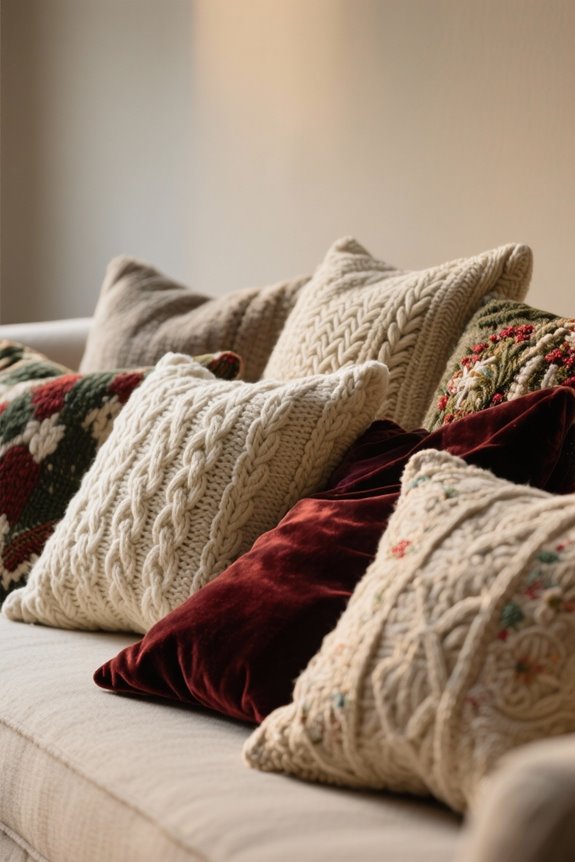
Calculating the ideal number of pillow covers can seem tricky. A good rule is to have at least two covers per pillow. One cover stays on the pillow, while the other is for washing. Pillow covers should fit the pillow size well but may need slightly larger inserts for fullness. Check the cover material too. Strong materials last longer and can reduce how often covers need replacing. If you have allergies or pets, extra allergen-proof covers are good. Households with many pillows or guests will need more covers to keep everything clean. Also, if you like decorative pillows, those require additional covers. Overall, consider types, sizes, and your household needs when deciding how many to own. High-quality fabrics, such as hypoallergenic materials, can also enhance comfort and longevity of your pillow covers.
The Importance of Pillow Hygiene
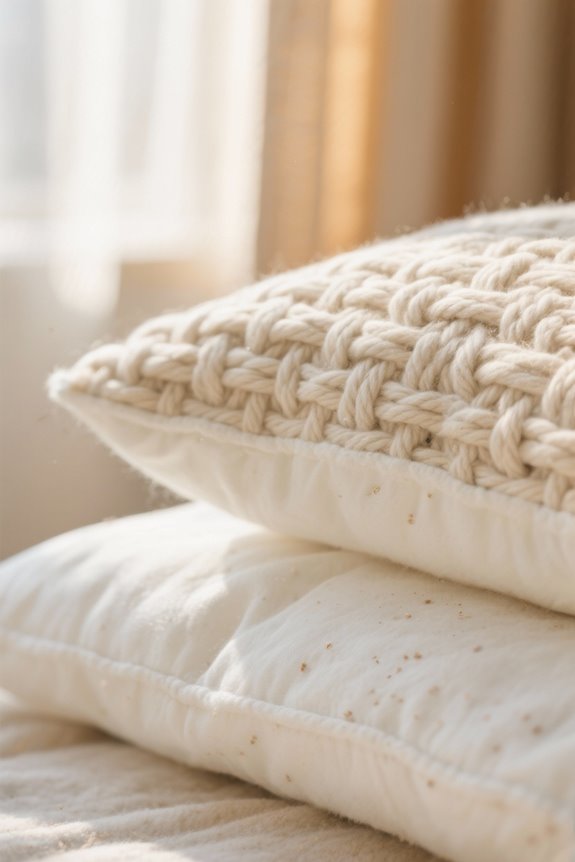
Pillow hygiene is very important for health and well-being. Unwashed pillow covers can collect a lot of bacteria, sometimes over 3 million CFUs in just one week! That is more than 17,000 times the bacteria found on toilet seats. This increases bacterial risks and can lead to infections. Also, pillows gather allergens like dust mites and dead skin. This can cause allergy flare-ups and respiratory problems. Cleaning experts recommend washing pillow covers weekly to keep them clean. Washing in hot water helps reduce bacteria and allergens. Using hypoallergenic materials can also control dust mites. Dirty pillows can disrupt sleep quality and may harm health. Regular care is essential for a better sleeping environment, as quality fabrics contribute to overall comfort and hygiene in bedding.
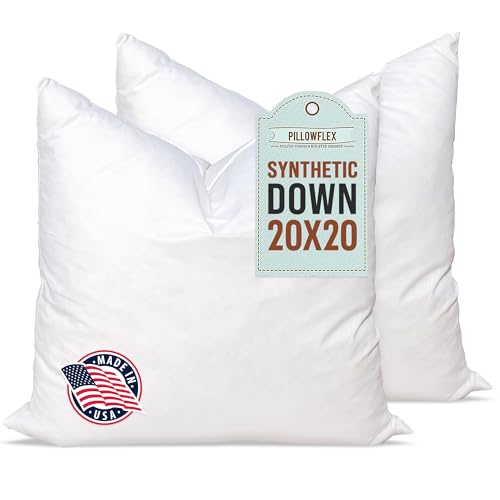
IDEAL SIZE - Please use provided size chart image! For the best sleeping comfort, measure your shams corner to corner for an accurate size. Pull the outer seams tight for most accurate measurement; the insert should be bigger than the sham for a comfortable look.

LONG-LASTING AND DURABLE: Our long-lasting high-density foam replacement cushions are proudly made in the USA! Foamma foam cushions are durable and will maintain their comfortable, firm support for 7 – 10 years. Perfect for couch cushions, sofa cushion, and chair pad.

Made in America: All our products are proudly made in the USA!
Seasonal Pillow Cover Considerations


🌼 PREMIUM AMERICAN COTTON – Crafted from 100% American cotton, this fabric is soft, breathable, and durable, making it perfect for quilting and sewing projects of all kinds. With a 155–160 GSM plain weave, it offers just the right balance of strength and flexibility. Each cut is designed to last through years of use without losing integrity. The quality ensures your finished quilts, garments, or décor items feel as good as they look.

【Exquisite Quilt Cotton Balls】- Crafted from 100% cotton batting, our quilt cotton balls offer a natural softness and warmth that enhances the comfort of your quilts. The cotton is fluffy and resistant to tearing, making it ideal for quilting projects.

Premium French-Inspired Floral Cotton Fabric – high-quality 100% cotton featuring elegant floral prints with a vintage French countryside aesthetic. Floral Design for a romantic, shabby-chic look.
Seasonal Pillow Cover Considerations
What considerations matter for seasonal pillow covers? Seasonal fabric choices are important for comfort and style. For summer, breathable cotton and bamboo keep sleepers cool. In winter, flannel and velvet offer warmth and coziness. Color palette ideas also play a big role. Bright colors like yellows and blues are great for summer. In spring, pastel florals create a fresh look. For fall, earthy tones like rust and olive green add warmth. Winter brings deep jewel tones and holiday prints. It’s smart to have two to three sets per pillow for changing seasons. Zippered covers make it easy to switch. Also, proper storage avoids dust and damages. Following these ideas helps maintain comfort and style all year round, while knitted pillow covers can add an extra touch of cozy charm to your decor.
Styling Your Bed With Decorative Pillows
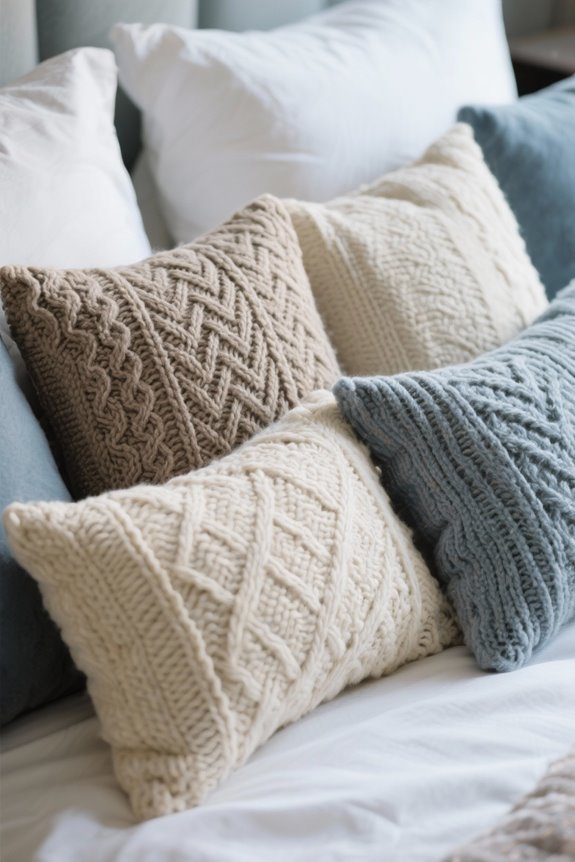
Decorating a bed with pillows can really change the look of a bedroom. Using good pillow arrangement techniques gives a fresh style. For classic layering, put two sets of sleeping pillows in back-to-back piles. Add decorative shams in front for color. Mixing sizes is great too. Large pillows go in back and smaller ones in front for depth. Symmetrical arrangements look balanced, while asymmetrical styles feel relaxed and casual. For larger beds, using euro pillows, standard pillows, and lumbar pillows helps create layers. The final count can be between 6 to 12 pillows, depending on your desired look. Remember, decorative pillow layering not only looks nice but also makes a bed feel cozier. Consider incorporating eco-friendly materials in your pillow covers for an added touch of sustainability.

Eco-friendly and Vintage: Wooden buttons 1 inch are made of environmentally friendly raw materials, providing a vintage appearance. The material offers a comfortable hand feeling and does not add extra burden.

14 * 72 inches Rectangle Lace Fabric for Table runner with Well-Cut Edge

Material: Made of 100% burlap, good ideal for crafting
Mixing Fabrics and Colors for Visual Appeal
Mixing fabrics and colors can create an inviting look in a bedroom. First, it is important to choose a cohesive color scheme. This helps to guarantee harmony. The 60-30-10 rule is useful. This means 60% of a dominant color, 30% of a secondary color, and 10% of an accent color. Using “cousin” colors can give a natural feel. For fabric combinations, mixing textures like cotton, velvet, and linen adds depth. Incorporate large and small patterns for balance. Color psychology also plays a role. Color affects mood and feelings. Aim to use odd numbers of pillows for a dynamic look. By following these guidelines, one can create a visually appealing and balanced bedroom. Additionally, using eco-friendly options not only enhances decor but also supports sustainability efforts.
Practical Tips for Pillow Maintenance
Maintaining pillow covers is vital for keeping them looking nice and lasting longer. Regular pillow cleaning is important. Washing covers every 2-3 weeks helps prevent dirt and oil buildup. It is especially key with fabrics that capture dust, like fleece. Each fabric type needs specific care: machine wash cotton, hand wash silk, or use gentle cycles for velvet. Pillow protectors are useful. They keep covers cleaner for longer and reduce wash frequency. After washing, air drying is best, especially for delicate fabrics. Fluff pillows daily to keep shape. Also, vacuum them weekly to remove allergens. Following proper fabric care guarantees longer life for pillow covers. Remember these tips for good pillow maintenance.
Rotating Pillow Covers for Longevity
When it comes to prolonging the life of pillow covers, rotating them regularly is important. Pillow cover rotation helps prevent wear and extends the lifespan of each cover. It’s recommended to have 3 to 4 covers per pillow. This way, each cover can rest and be laundered properly. Using multiple covers avoids fabric thinning and fraying over time. Frequent rotation reduces exposure to oils and dirt, which speed up fabric degradation. Staggered use also helps preserve materials, like silk, for more than 5 years with good care. Less stress on seams and edges means lower risk of tearing. Overall, effective rotation plays a key role in fabric preservation and keeping pillow covers looking fresh and new for a longer time.
Regional Design Influences on Pillow Usage
Pillow covers are not just about style; they also reflect regional design influences and cultural preferences. In North America, stylish and functional designs often dominate pillow aesthetics, focusing on comfort and innovative materials. Meanwhile, European buyers usually appreciate durability and eco-friendly materials. Their pillows often show high craftsmanship. In the Asia Pacific region, rising urbanization promotes stylish and comfortable designs that celebrate family traditions. Latin America and the Middle East & Africa are also experiencing emerging markets, though specific pillow usage styles remain less documented. Each region’s pillow choices highlight their cultural significance, responding to local lifestyles, traditions, and even economic conditions. Ultimately, these influences shape how many pillow covers people own across the globe.
Balancing Comfort and Aesthetics in Your Bedroom
Creating a bedroom that balances comfort and aesthetics is important for restful sleep and pleasing design. A good pillow arrangement enhances the bed’s look while also providing support. Typically, stick to the number of pillow covers based on the bed size: one for twin beds, two for full and queen beds, and three or more for king sizes. Use color coordination to match the pillows with bedding for a unified appearance. This can involve using decorative pillows that contrast or complement the main colors. Remember, too many pillows can create clutter. It is best to keep a balance. Focus on materials that feel soft, like cotton or silk, for ultimate comfort.
Frequently Asked Questions
How Can I Choose Colors That Match My Bedroom Decor?
To choose colors that match a bedroom’s decor, consider seasonal patterns and complementary color combinations. Assess existing elements, guarantee balance, and incorporate a mix of tones to create a cohesive and visually appealing space.
What Is the Best Fabric for Pillow Covers?
In a world where comfort reigns supreme, cotton’s breathability and softness complement linen’s durability beautifully. Their combined virtues create ideal pillow covers, providing lasting comfort and aesthetic appeal for any tranquil bedroom sanctuary.
How Often Should I Replace My Pillow Covers?
Individuals should replace pillow covers at least once a week for ideal pillow hygiene and pillow comfort. More frequent changes may be necessary for those with sensitive skin or during hotter, more humid conditions to guarantee cleanliness.
Can I Use Mismatched Pillow Covers for a Cohesive Look?
Yes, mismatched patterns can achieve cohesive styling by focusing on a unifying color scheme and shared textures. Carefully balancing colors guarantees a harmonious look, allowing distinct designs to coexist without overwhelming the decor.
How Should I Store Extra Pillow Covers When Not in Use?
Extra pillow covers should be stored using effective pillow cover organization techniques. Ideal storage solutions include neatly folded boxes, breathable bags, and hanging methods, ensuring thorough cleanliness and dryness to maintain their condition for future use.
Conclusion
To sum up, owning the right number of pillow covers can really help. It is important for cleanliness and style. Have you thought about how many you might need? Generally, having at least three to five covers is a good idea. This allows for rotation and easy washing. Remember to think about your pillow types too. Different pillows may need special covers. Maintaining your pillows keeps them and your bedroom looking nice. So consider these tips for your best comfort!


