As an Amazon Associate, we earn from qualifying purchases. Some links may be affiliate links at no extra cost to you. Although our opinions are based on curated research, we haven't used these products. Articles generated with AI.


How Often Should You Wash Baby Knitted Items?

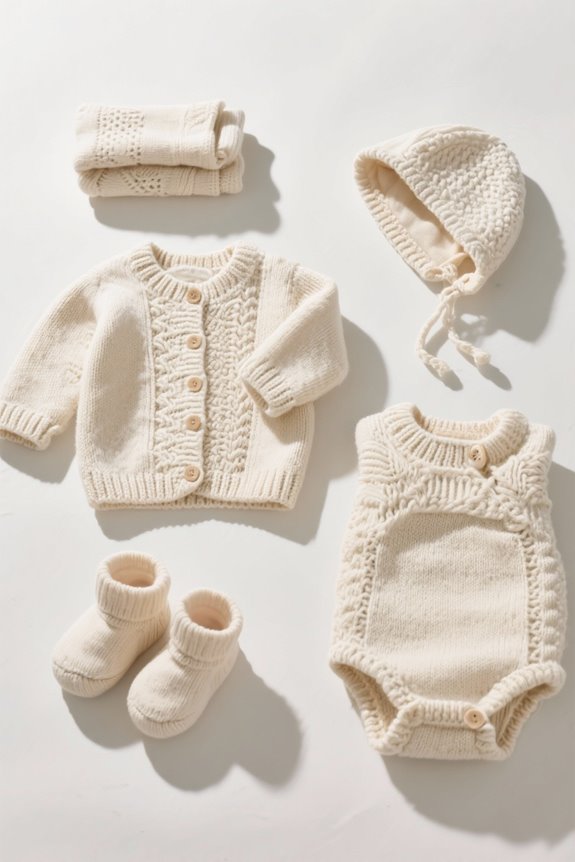
Baby knitted items should be washed every 1-2 weeks or when they get visibly dirty. This helps keep the items clean and safe for the sensitive skin of babies. Avoid washing too often, as that can damage delicate fibers. Signs that washing is needed include visible soiling or odors. Hand washing is best for fragile items, while machine washing can be used with care. There is more to learn about caring for baby knitted items in the following sections.
Key Takeaways
- Wash baby knitted items every 1-2 weeks or immediately if visibly soiled to maintain hygiene and fabric quality.
- Items should be washed promptly after spills or spit-up to prevent stains and odors.
- Frequent use may require more regular washing, especially for items worn close to the baby’s skin.
- Wool and delicate blends require less frequent washing due to their sensitive nature.
- Always check for signs of odor or irritation, indicating a need for immediate washing.
Importance of Washing Baby Knitted Items
You may be interested


Washing baby knitted items is important because of a baby’s sensitive skin. Babies have delicate skin, which can be easily irritated. As a result, choosing the right fabric types is essential. Many knitted baby clothes use natural fibers like cotton and bamboo, which are soft but delicate. Proper cleaning techniques help maintain their quality. Mild, hypoallergenic detergents are recommended to avoid causing irritation. Harsh detergents and fabric softeners should be avoided as they can make the fabric rough. Gentle washing, such as hand washing, reduces damaging agitation. If using a washing machine, select delicate cycles and cold water. Always use mesh laundry bags to protect knitted items. This careful washing routine keeps baby clothes soft, safe, and in good shape for longer. Additionally, ensuring that you pick the right materials for warmth can help enhance your baby’s comfort while wearing knitted items.
Recommended Washing Frequency

To maintain the quality of baby knitted items, knowing how often to wash them is very important. A good rule is to wash these items every 1-2 weeks, or when they look visibly dirty. This helps with knit maintenance to avoid over-washing, which can damage the fibers. However, the frequency balance depends on how often the items are used. Wool and delicate blends need less washing to keep their soft texture. If items stay clean or are not worn much, wash less often. For synthetic fibers, more frequent washing might be needed due to smell. Always check for stains before washing, and use mild detergents to protect the fibers while ensuring cleanliness. Additionally, remember that proper care instructions are essential for maintaining the fabric quality and longevity of knitted items.
Signs That Washing Is Necessary
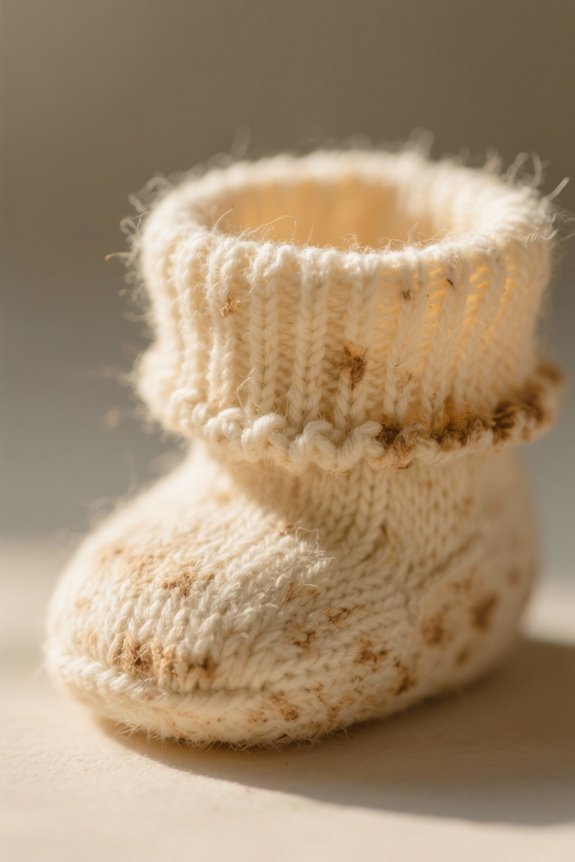
How can someone tell when it’s time to wash baby knitted items? Several signs indicate washing is necessary. First, visible soiling such as food spills or spit-up requires immediate attention to prevent skin irritation. Persistent odors, like sour milk, suggest a full wash is needed for hygiene. Additionally, if a baby shows allergic reactions, like rashes, it’s wise to wash the item with a hypoallergenic detergent. Knitted items stored for a long time can gather dust and odors, signaling washing before use. Finally, post-illness items should always be washed promptly. Therefore, checking for visible stains, odors, reactions, storage conditions, and illness is essential for maintaining baby knit cleanliness and safety. Consideration of material quality is also important, as some fabrics may require special care to preserve their softness and durability.
The Impact of Over-Washing
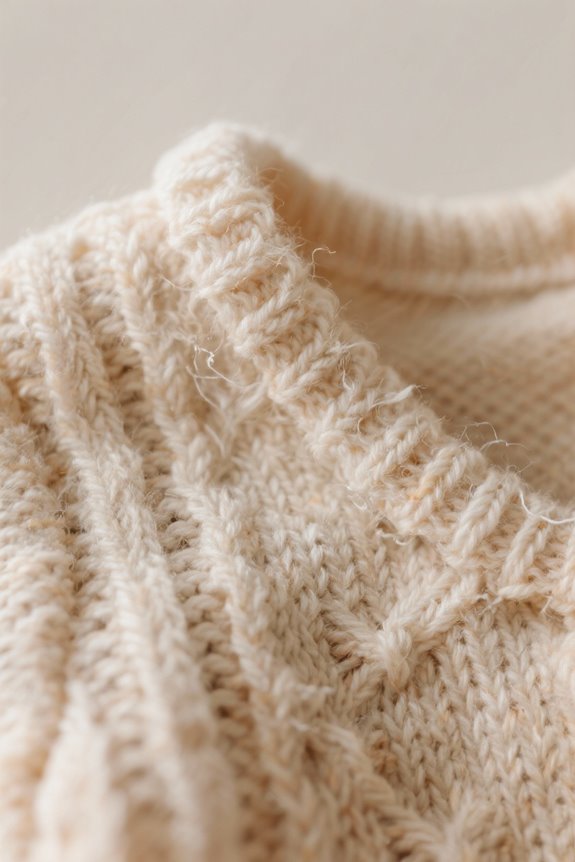
Over-washing baby knitted items can cause several negative effects. The consequences of over-washing include weakened fibers, which may lead to holes or thinning fabric. Frequent washing also stretches yarn and distorts nice patterns. The softness can vanish over time when washed too often. It can also create pilling and shrinkage, making clothes less usable. Harsh detergents only add damage. Additionally, color fading and dye bleeding occur with repeated laundering, diminishing the item’s appearance. It also raises environmental impacts, like wasting water and energy when washed too much. Washing alternatives, such as using gentle detergents and opting for cooler washes, can help maintain knitted items for longer and protect baby skin. Avoid over-washing to keep knitted items fresh and safe. Maintaining quality fabrics like soft, warm materials is essential for preserving their longevity.
Hand Washing vs. Machine Washing

Washing baby knitted items safely can be a bit tricky. Hand washing benefits include minimizing risks of stretching and shrinking delicate yarns. This method protects the integrity of items by using cold water, which keeps fibers intact. Gentle handling allows for targeted stain treatment without damaging the garment. However, machine washing risks, such as pilling and felting, can occur if the wrong cycles are used. While some modern yarns can be machine washed, it is still not the safest option for more delicate pieces. Using a mesh bag may help, but hand washing remains better for preserving softness. To conclude, hand washing is the safest choice for most baby knitted items, although machine washing can be used with care. The right care instructions are crucial for ensuring the longevity of your knitted garments.
Best Machine Washing Practices
When caring for baby knitted items, the best practices for machine washing are important to follow. First, always check the care labels. Use cold water settings to help prevent shrinking. It is key to choose gentle or wool-specific cycles. These settings minimize agitation. Also, avoid high spin cycles or use the lowest speed. This protects the item’s shape. Placing items inside mesh laundry bags is useful to prevent snagging. Knitting techniques can be delicate, so handle with care. Wash only when hand washing is impractical. Manage the load size to prevent excess friction. Additionally, following recommended machine washable practices will help maintain the integrity of knitted items, ensuring their softness and durability over time.
Choosing the Right Detergent
Choosing the right detergent is important for maintaining the quality of baby knitted items. Specific detergent types are recommended for babies. Look for options that are fragrance-free and hypoallergenic. These formulations help avoid skin irritation and allergies. Detergents free of fabric softeners keep cloth absorbency intact. Eco-friendly options are also available. Plant-based ingredients are better for sensitive skin and the environment. Enzyme-containing detergents, like Dreft Stage 1, effectively remove protein stains found in baby clothes. Products with certifications, such as EPA Safer Choice or EWG Skin Deep, are safer choices. Concentrated liquid detergents can clean with less product, which is helpful. Choosing the right detergent helps guarantee baby items remain clean, soft, and free from harmful chemicals.
Water Temperature Considerations
Maintaining the quality of baby knitted items involves careful attention to water temperature. Using cold to lukewarm water, ideally not above 30°C (86°F), is key for fiber preservation. Hot water can cause shrinking and damage to fibers, especially with natural materials like wool. Water temperature effects can lead to felting when higher than 30°C, altering the shape of delicate knits. A range of 15°C to 27°C (60°F to 80°F) is usually best to keep softness intact and prevent distortion of stitches. For newborn soiled clothes, slightly warmer water (up to 43°C) might be used, but it risks harming knitted items. Always choose water wisely to extend the lifespan of these precious garments.
Drying Techniques for Knitted Items
Proper drying techniques are essential for preserving the quality of baby knitted items. It is best to use flat drying methods. Knitted items should be laid flat on a clean, dry towel. This helps avoid stretching or distortion. Before drying, gently reshape the garments to maintain their original form. Avoid hanging them, as this can cause misshaping. A mesh drying rack is a good alternative, allowing air circulation underneath. Items should be dried away from direct sunlight and heat sources to prevent damage. Good air circulation is important too, to speed drying and avoid mildew. Gently squeeze out excess water and avoid tumble drying, as it can lead to pilling and shrinkage in fibers.
Proper Storage Practices
To guarantee baby knitted items stay in good condition, it is important to have good storage practices. First, maintain proper storage conditions. A stable room temperature between 65°F and 70°F is best. Relative humidity should be around 50%-55%. Store items away from direct sunlight to prevent fading. Organizing knits is also essential. Use breathable fabric bags instead of plastic to avoid moisture. Store items flat, not hanging, to prevent stretching. Bins or baskets can help with organization and visibility. Label containers or shelves to identify contents easily. It’s also wise to check stored items regularly for pests. Following these tips helps keep baby knitted items safe and ready for use.
Special Care for Different Materials
When caring for baby knitted items, it is essential to reflect on the type of material used. Wool items need special attention. They require hand washing in cold water to prevent shrinkage. Use a gentle detergent meant for wool. Cotton knits, however, can handle slightly warmer water. Mild detergents preserve fiber softness, and gentle machine washing is okay. Acrylic and synthetic fibers are sensitive to heat. They must be washed in cold water only. Avoid heat in drying. For mixed fibers, treat items like wool to improve fiber durability. Always lay items flat to dry, regardless of the material. This can help maintain shape and integrity, reducing the need for frequent washing and extending the life of these precious baby knits.
Caring for Handmade Knitted Items
Caring for handmade knitted items is a task that should not be taken lightly. These pieces require special attention to maintain their condition. For best results, handle items gently during washing. Knitting techniques often affect how fragile the fibers can be, so take care. Use baby-safe detergents that are mild and free of harsh chemicals. Select yarns based on their care needs. For example, wool needs different handling than cotton. Washing shouldn’t be frequent; every 1-2 weeks is best or when visibly dirty. When drying, always lay items flat to keep their shape. Additionally, store them folded, not hung. This way, the knitted pieces will last longer and stay soft for baby comfort.
Avoiding Common Washing Mistakes
Washing baby knitted items requires careful attention to avoid common mistakes. Many parents make errors during washing. For instance, using fabric softeners can coat fibers, reducing their softness. Wringing or twisting items can stress the fabric, leading to damage over time. Washing in hot water or high spin speeds can cause shrinkage. Also, abrasive detergents may irritate baby skin and harm delicate fibers. Parents should always check yarn care labels for specific instructions. Gentle detergents are best. Ultimately, never hang knitted items to dry, as this can distort their shape. Instead, lay them flat on a towel. These fabric care tips can help preserve knitted items for baby while avoiding common washing errors.
Keeping Baby Skin Safe
Maintaining baby skin safety is essential for healthy development. Baby skin is very sensitive. Knitted items should be washed carefully to avoid irritation. Frequent bathing can strip away natural oils on baby skin. This may lead to dryness and rash. It is best to bathe a baby about 2 to 3 times per week, according to skin condition. Use mild, chemical-free cleansers designed for delicate baby skin. Also, keep the water warm but not hot. After bathing, moisturize to help keep baby skin hydrated. Spot cleaning with wipes can help reduce the need for full baths. Parents should remember to adjust bathing habits based on the baby’s activity level or any visible dirt, sweat, or mess.
Extending the Lifespan of Knitted Baby Clothes
To extend the lifespan of knitted baby clothes, proper care practices should be used. Washing every 1-2 weeks or when visibly soiled helps balance cleanliness and fabric preservation. Over-washing can wear the fibers and change softness. A good washing schedule delays washing, making items last longer. Hand washing is best, using cold water and gentle detergent for less damage. If using a machine, choose a delicate cycle in a mesh bag. After washing, avoid wringing and lay items flat to dry. Do not hang them or use a dryer. Store only dry and clean clothes in breathable containers. Keep away from pests using natural methods. These easy tips help keep baby clothes looking great for longer.
Frequently Asked Questions
Can I Use Bleach on Knitted Baby Items?
Bleach is not recommended for knitted baby items due to potential damage. Instead, consider bleach alternatives like gentle detergents. Conduct colorfast testing on fabric before applying any cleaning solutions to guarantee safety and integrity.
How Should I Remove Stains Without Washing?
Ironically, stain removal without washing seems impossible yet can be achieved. Effective techniques involve gently applying baking soda paste, specialized soaps, or soaking in warm water to target stains, proving that meticulous care yields rewarding results.
Is It Safe to Use Fabric Softener?
Using fabric softener is not recommended for baby items due to potential irritation from various softener types. Washing benefits are maximized by avoiding these additives, maintaining fiber integrity and minimizing skin sensitivity for delicate knitted garments.
What if My Baby Has Sensitive Skin?
Ironically, to protect sensitive skin, frequent washing seems counterintuitive. Prioritizing hypoallergenic materials and gentle detergents guarantees ideal sensitive skin care, while minimizing irritation risks. The delicate balance between cleanliness and comfort is essential for baby’s well-being.
Can I Combine Knitted Items With Regular Laundry?
Combining knitted items with regular laundry is possible with caution. Following laundry tips, such as using mesh bags and gentle cycles, guarantees proper knitted fabric care, minimizing damage and maintaining the integrity of delicate fibers.
Conclusion
In conclusion, washing baby knitted items is important for hygiene and care. Regularly inspect for dirt or stains. As the saying goes, “An ounce of prevention is worth a pound of cure.” Washing too often can wear out the fabric. Hand washing is often gentler than machine washing. Following these care tips helps keep the knitted clothes safe for baby’s skin and extends their lifespan. Proper care leads to happy, cozy babies.