As an Amazon Associate, we earn from qualifying purchases. Some links may be affiliate links at no extra cost to you. Although our opinions are based on curated research, we haven't used these products. Articles generated with AI.


How To Care For And Repair Your Favorite Knitted Pieces?

To care for and repair knitted pieces, wash them gently in cold water with a mild detergent. Avoid scrubbing; instead, soak and rinse gently. Dry flat, reshaping while damp. For freshening, air out items regularly. To clean stains, blot lightly with soapy water. Use a fabric shaver for pilling and check for loose stitches. If serious damage occurs, like holes or snags, professional help might be best. More tips and techniques are below for better care.
Key Takeaways
- Wash knitted items in cold water using a mild, pH-neutral detergent to prevent felting and shrinkage.
- Always dry knits flat on a clean surface to maintain shape, avoiding hanging to prevent stretching.
- Spot clean stains gently with a cloth and mild detergent, soaking old stains in cold water first.
- Use a fabric shaver or sweater comb to manage pilling and ensure regular maintenance checks for loose stitches.
- Seek professional help for severe damages like moth holes or major tears to maintain the value and integrity of your knitwear.
Washing Techniques for Knitted Pieces
You may be interested


When caring for knitted pieces, washing techniques are very important to keep them looking nice. It is best to use cold water during the washing process. This prevents felting, pilling, and shrinking. Hot or warm water can hurt the wool and natural fibers. For detergent, select a mild, pH-neutral option that is safe for wool. Avoid bleach and harsh detergents; they can damage fibers and change colors. To wash, soak the knitted item gently in cold water with detergent for about ten minutes. Rinse thoroughly with minimal gentle agitation to remove detergent. Do not rub or twist the garment. Instead, press water out gently or use a towel to absorb excess moisture. Regular inspections for fabric damage are also crucial for maintaining the integrity of your knitted pieces.
Drying and Reshaping Knitted Garments
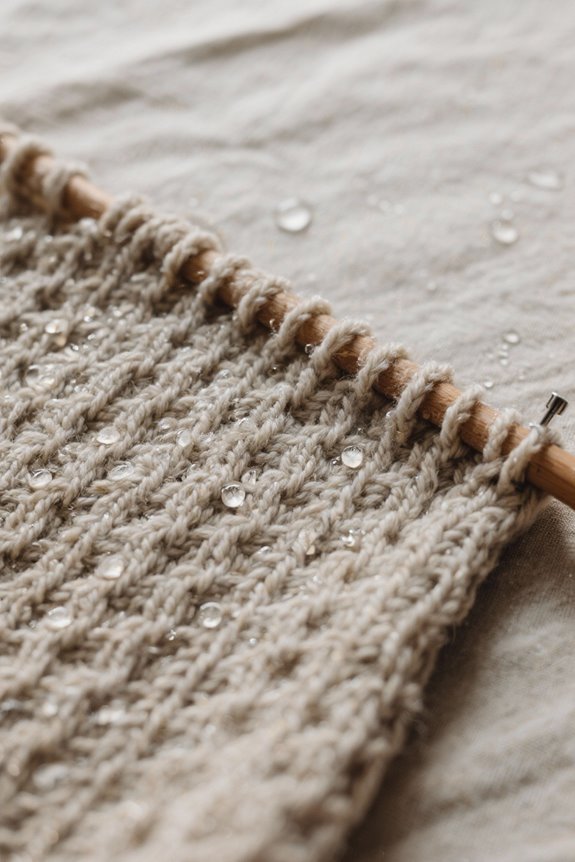
After washing knitted pieces, proper drying and reshaping are important steps to keep garments looking their best. Flat drying is essential; lay knitted items flat on a clean surface. This helps maintain shape while they dry. Avoid hanging them, as this causes stretching. Before flat drying, use towels to remove extra moisture; this helps prevent shrinking. While damp, use reshaping techniques. Gently reshape your knits to their original size and smooth out any stretched areas. It’s important to keep the garment flat during this process. For some pieces, use blocking mats while pinning them in place. Take care to monitor drying, as this keeps the knit looking good without distortion. Additionally, consider the care instructions for your specific fabric to ensure longevity and durability.
Freshening and Long-Term Storage

How can one effectively freshen and store knitted pieces for the long term? To start, clean the knitwear carefully before storing. This helps remove sweat and dirt that attract pests. Using freshening techniques like airing and light steaming every few months can help keep them fresh. Make sure that all pieces are completely dry before storage to prevent mold. Good storage solutions include folding the items, not hanging them, and keeping them in cool, dry locations. For extra protection, use moisture absorbers or natural repellents like cedar. Avoid moisture fluctuations and direct sunlight. Check stored garments regularly for signs of pests and odors to maintain their quality over time. Proper care can help your favorite knits last longer. Additionally, following specific care instructions tailored for your knitwear will ensure they remain in excellent condition throughout the seasons.
Spot Cleaning and De-pilling

Taking care of knitted pieces is important for keeping them looking good and lasting a long time. Spot removal techniques are essential for stains. First, use a clean cloth to gently dab the stain. Apply a bit of mild detergent for delicates right on the stain. Soaking in cool water helps with old stains before rinsing. Always start cleaning from the edge. For pilling prevention, use a fabric shaver or sweater comb. Gently brush pills away without scrubbing hard. Hand-wash knits inside out to reduce friction. When washing, put knits in a mesh bag to limit agitation. Finally, store knits flat to avoid stretching and rubbing, ensuring longer wear and better appearance over time. Additionally, machine washable options can greatly enhance the longevity and ease of care for your favorite knitted items.
Handling and Wearing Practices
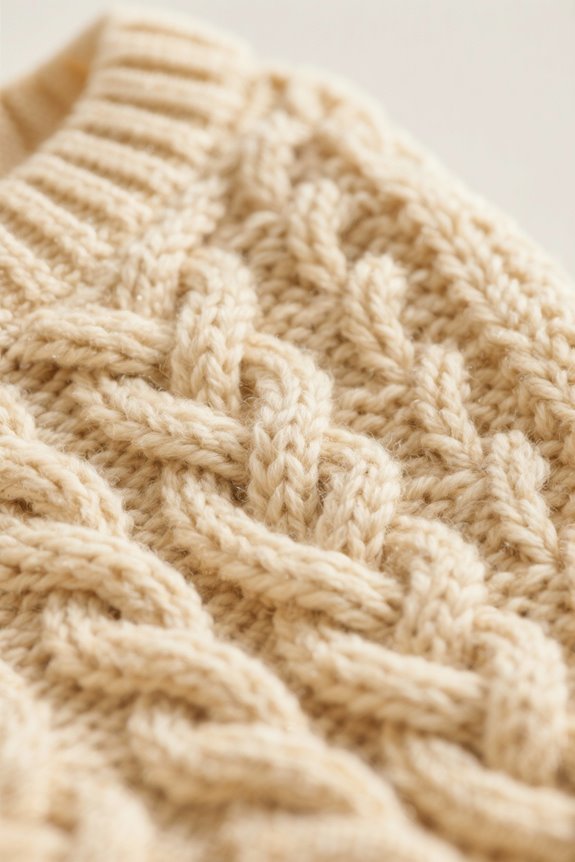
Caring for knitted pieces does not end with cleaning and de-pilling. Proper handling and wearing practices are important for longevity. Rotate knitwear to give fibers a break. Allow at least 24 hours between wears. This helps to maintain the shape and health. Using good wearing techniques also matters. Avoid rough surfaces that snag yarns, and keep knitwear away from heavy bags. Layering can protect delicate pieces from contact with abrasive fabrics. Avoid strong odors from perfumes or smoke, as these can cling to fibers. When drying, never hang wet knitwear; laying it flat is best. Gentle reshaping may be needed before drying. These steps aid in effective fiber care and keep knitwear looking good longer. Additionally, employing proper care instructions can maximize the longevity of your favorite knitted items.
Repairs and Maintenance
Repairing and maintaining knitted pieces is essential for their longevity. To fix damage, secure loose stitches with stitch markers or safety pins right away. Identify the last intact row for repair stitching. Use fine knitting or tapestry needles to stabilize loose loops. For small holes, duplicate stitching, also known as Swiss darning, is effective. This method makes a subtle patch without visible seams. Darning can fill in larger holes by weaving threads back and forth. Remember, the choice of yarn is important: select a slightly finer yarn for blending. It’s best to work from the inside for fine knits and use a hoop for stability. Regular maintenance checks help keep pieces looking great. Proper care extends their life, and understanding material composition can guide you in choosing the best yarn for repairs.
Tools and Products for Care
Knitted pieces need special tools and products for care. Using proper yarn care items guarantees long-lasting enjoyment. Wool wash is essential for cleaning without harming delicate fibers. Blocking mats and pins help reshape finished work, enhancing the final look. Sock blockers are helpful for restoring knit sock shape after washing.
Additionally, for managing yarn, ball winders and yarn swifts are important. They prevent tangles and help in working with skeins. Tapestry needles are handy for weaving in loose ends securely. Finally, sharp scissors and stitch holders are must-have repair tools as they assist in neat finishing. Proper tools make maintaining knitted pieces easier and more effective while keeping them looking their best.
Preventing Moth Damage
Protecting knitted pieces from moth damage is essential for preservation. First, make sure that all knits are clean and dry before storage. Moths are attracted to food stains and odors. Use moth prevention techniques like sealing knitted items in plastic bags or breathable cloth.
Adding natural repellents, like cedar blocks or essential oils such as lavender, can deter moths. Pheromone traps may also help monitor and capture adult moths, making them effective allies in the fight against infestation. Regularly inspect and clean storage areas to remove any eggs or larvae that could harm your pieces. Remember to examine even the smallest corners regularly, to maintain a moth-free environment for your beloved knitted items.
Seasonal Care Tips
Seasonal care tips play an important role in keeping knitted pieces in good condition. For better freshness, it is helpful to rotate garments often. This helps allow fibers to recover by giving them a break for at least 24 hours between wears. Garments should also be aired out regularly. Lay them flat on a chair overnight, or gently shake to release odors. Be careful to avoid direct sunlight when airing to prevent fading colors. Before storing knits for the season, cleaning them is crucial. This removes dirt and odors that attract pests. Make sure they are fully dry before storage and stored in breathable bags. Following these tips assists in maintaining the quality of knitted items for a long time.
When to Seek Professional Help
Knowing when to seek professional help for knitted items can save time and frustration. Certain damage indications require professional assessments. If there are moth holes, severe snags, or tears, these issues often need expert attention. For example, complex damages like burn holes caused by pets, or excessive pilling on fine knits, are best handled by specialists. Professional repair services can perform hand reknitting to match the original yarn perfectly, ensuring a seamless fix. Additionally, if the garment is valuable, like designer or vintage pieces, it’s wise to get expert help. DIY repairs might worsen a situation, especially if one lacks experience. Seeking professionals can extend the lifespan of beloved knitwear, maintaining their quality and beauty.
Frequently Asked Questions
Can I Use Regular Laundry Detergent on Knitted Items?
Using regular laundry detergent on knitted items
How Do I Store Knitted Pieces to Prevent Odors?
Like a treasure chest guarding precious jewels, proper storage of knitted pieces is essential for odor prevention—ensuring they are clean, dry, and kept in a cool, dark place promotes longevity and freshness in the fibers.
Is It Safe to Iron Knitted Garments?
It is generally safe to iron knitted garments using low to medium heat settings. Proper techniques, such as using a pressing cloth and checking fabric types, help protect the knitted fabric from damage during the process.
When Should I Replace My Knitted Items?
Knitted items should be replaced when signs of wear, such as persistent holes, excessive pilling, or severe stretching, become evident. Frequent use and improper care can accelerate this deterioration, necessitating an assessment for replacement.
Can I Freeze Knitted Pieces to Kill Moths?
Freezing knitted pieces can effectively kill moths, larvae, and eggs when using proper freezing techniques. Ensuring items are stored airtight and maintaining a temperature below 18°F can considerably enhance moth prevention strategies.
Conclusion
In the end, caring for knitted pieces is simple yet complicated. You can wash, dry, and store them properly. But they still might get holes or pills. Irony is that the more you love them, the more they need help. So, it seems like extra effort is required for something you cherish. Regular care keeps them looking nice, but sometimes, perfection can slip away. Remember, even your favorite sweater can have its flaws.