As an Amazon Associate, we earn from qualifying purchases. Some links may be affiliate links at no extra cost to you. Although our opinions are based on curated research, we haven't used these products. Articles generated with AI.

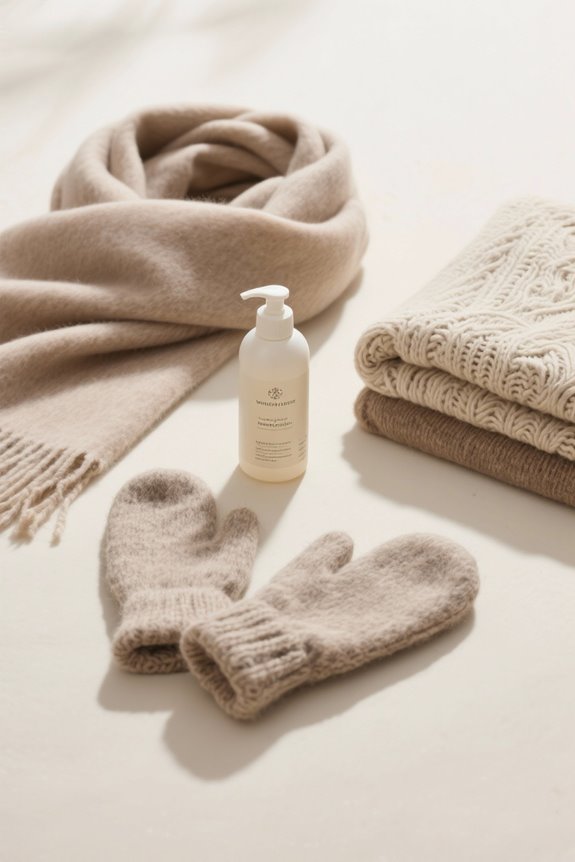
How To Care For Wool And Cashmere Winter Accessories?

To care for wool and cashmere winter accessories, wash them carefully. Hand wash them in cold water with mild detergent or use a machine on a delicate cycle with a mesh bag. Clean after a few wears. For stains, treat them quickly with cold water and dab gently. Store folded in breathable bags. Look for wear like pilling or snags; fix them early. More details on cleaning and storage can help keep your favorites in great shape.
Key Takeaways
- Hand wash wool and cashmere accessories in cold or lukewarm water with mild, eco-friendly detergents to maintain their integrity.
- Spot clean stains immediately by dabbing with cold water and gentle detergent to prevent lasting damage.
- Store accessories folded in breathable bags, avoiding hanging or tight plastic storage to prevent distortion and moisture retention.
- Wash winter accessories every 3-4 wears or 2-3 times per season, using special detergents for wool or cashmere.
- For long-term care, consider professional dry cleaning after every 5–10 wears, especially for delicate items or noticeable stains.
Hand Washing Techniques
You may be interested



When caring for wool and cashmere, hand washing is an important technique to know. This method helps with fiber preservation. First, prepare a basin, sink, or container with cold or lukewarm water. It is best to avoid hot water, as it can shrink or damage fibers. Use a mild, eco-friendly detergent meant for wool and cashmere; avoid fabric softeners and harsh chemicals.
Turn the garment inside out before gentle soaking. Submerge the item and swirl it slowly. Let it soak for up to 10 minutes to loosen dirt. After soaking, rinse gently with cold water until all detergent is gone. Additionally, proper care, including gentle washing methods, is essential to maintain quality and longevity. Finally, reshape and lay the garment flat to dry, away from heat and sunlight, preserving its quality.
Machine Washing Guidelines
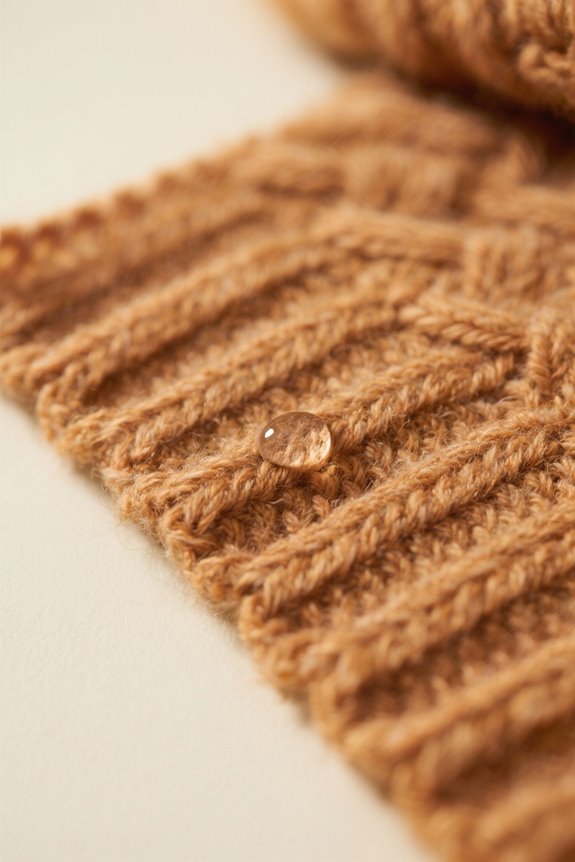
Many people may not realize that machine washing can be an effective way to care for wool and cashmere garments. To start, use cold or very low temperature water, not exceeding 20°C (68°F). Select the wool or delicate cycle for gentle washing. Low spin speed, ideally 500 rpm, is best to prevent damage. Turn items inside out and place them in a mesh laundry bag for protection. For detergent selection, use a special wool or cashmere detergent, avoiding regular types. Do not overload the machine, as it can increase risk of fiber damage. Always wash cashmere separately, and keep light and dark colors apart. Following these machine washing tips will help maintain the quality of wool and cashmere accessories. Additionally, the moisture-wicking properties of merino wool can enhance the longevity of your items by preventing dampness and odor.
Frequency of Cleaning
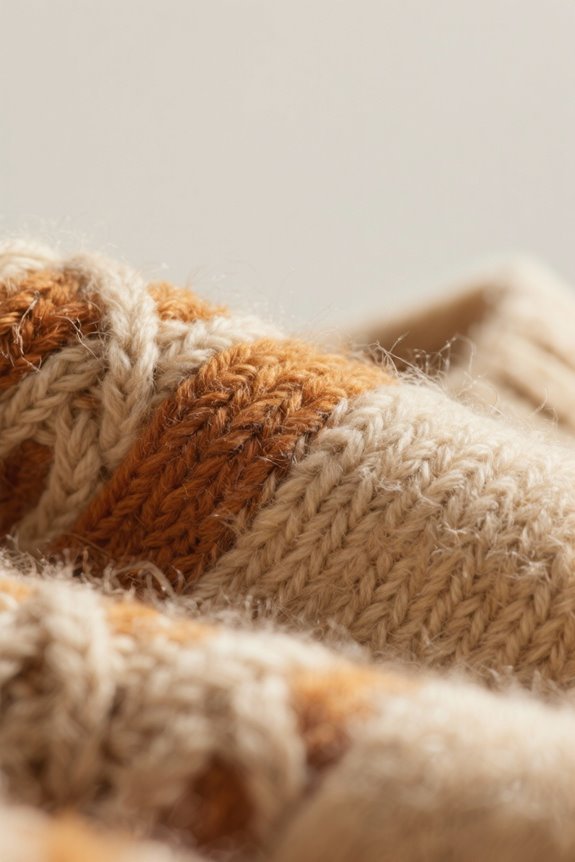
The frequency of cleaning wool and cashmere garments is important for their care. Cashmere wraps can be washed about two to three times each season. Wool and cashmere sweaters usually need washing every three to four wears. This keeps cleanliness while helping the fabric last longer. Coats made from these materials typically require a wash only once per season or at winter’s end, unless they are visibly soiled. More delicate blends need more frequent cleaning to keep softness. Also, dry cleaning should be limited. It is better to use home washing habits for regular care. Spot cleaning helps too, but often only washing can remove deeper dirt and odors. Keeping a mindful cleaning frequency extends the life of your cherished accessories, as quality Merino wool scarves often require special attention to maintain their shape and softness.
Spot Cleaning Methods
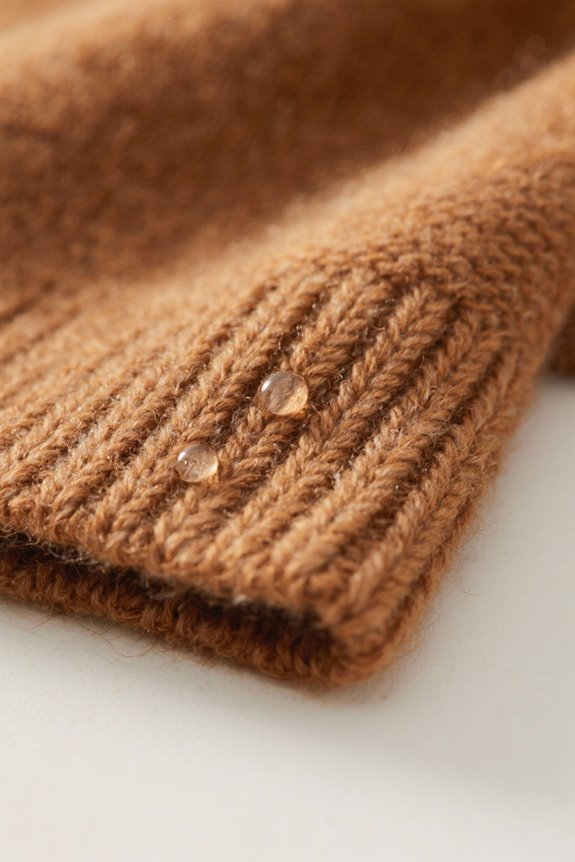
Spot cleaning methods are essential for keeping wool and cashmere in good condition. Immediate stain treatment is important. Rinse the stained area with cold water. Use a few drops of a gentle, wool-specific detergent. Gently dab the stain. Avoid rubbing, as this can damage fibers. For specific stains, try different spot treatment techniques. For grease stains, absorb with a warm iron and tissue. Protein stains can be treated with a salt solution. Always test spot cleaners on an inconspicuous area first. Use mild detergents, and avoid bleach. After stain removal, a diluted vinegar rinse can help with odors. Blot excess moisture with a dry towel, as wringing can twist fibers. Choosing warm materials is crucial for optimal performance in cold weather. Follow these stain removal tips for best results.
Airing Out and Refreshing
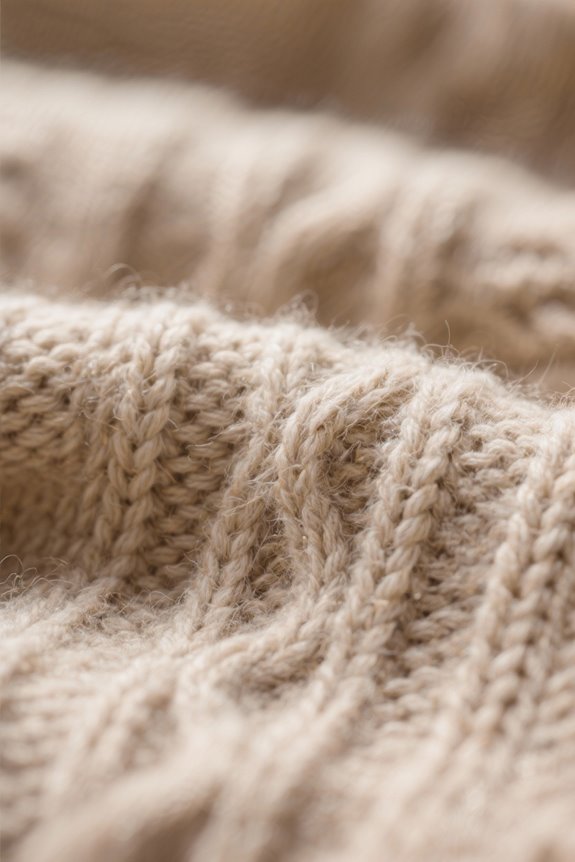
Airing out and revitalizing wool and cashmere garments is a key part of care. To rejuvenate these fabrics, hang items in natural airflow. This process can lift dust and dirt, while also fluffing up the fibers. Gentle shaking is important too; it helps restore shape and remove surface dirt. After each wear, shake the accessories lightly. Steam rejuvenation can also be effective; it reduces wrinkles and takes out mild odors without direct heat. For added freshness, spritz fabric fresheners meant for delicate fibers. When drying, remember to lay wool and cashmere flat on a towel. Avoid direct sunlight to prevent color fading. These steps help maintain the beautiful qualities of wool and cashmere. Additionally, understanding the care and maintenance for cashmere garments will enhance their longevity and performance.
Best Practices for Storage
When it comes to storing wool and cashmere, proper techniques make a big difference. Folding these items instead of hanging them helps prevent stretching and distortions. Heavy garments especially should be folded to maintain their shape. Using breathable storage solutions, like cotton or canvas bags, allows air circulation, which is important for fiber health. Avoid tightly sealed plastic bags, as they can trap moisture. Seasonal rotation is key; store off-season accessories in different bins or areas. Labeling these containers clearly is helpful too. It reduces rummaging, which can stress fibers. Remember, organizing items by season or type can make accessing them easier and reduces handling damage. Proper care guarantees wool and cashmere accessories last longer, as material quality is crucial for maintaining comfort and durability.
Protecting Against Moth Damage
Protecting wool and cashmere from moth damage is vital for keeping these fabrics in good shape. Moth prevention is an important step when storing winter accessories. Using natural repellents can help repel these pests. Cedar wood blocks release oils that moths find toxic. Lavender sachets also act as a fragrant deterrent but need replacement regularly. Essential oils of rosemary and lemongrass can be effective too. However, don’t mix these with pheromone traps, as it may lessen their effectiveness. It’s best to clean accessories before storage to avoid attracting moths. For extra protection, use breathable storage pouches and keep items in cool, dry areas. Regularly check for signs of moths to guarantee garments remain safe from damage.
Dealing With Pilling
Wool and cashmere can develop pilling, which makes them look worn and less attractive. Pilling happens from friction, often in spots like elbows and underarms. To help with pilling prevention, rotate your garments. This means wearing different items regularly. Avoid tight clothing and bags that rub against the fabric. When washing, turn items inside out and use gentle methods, like hand washing. For pill removal, a cashmere comb can be useful. This tool gently takes away pills without harming the fibers. Avoid picking pills by hand or using razors, as this can hurt the material. Regular care helps keep items looking nice and prolongs their life. With the right attention, pilling can be managed effectively.
Surface Care Tips
Keeping wool and cashmere items looking their best is important for longevity. Surface care plays a key role in fiber maintenance and texture preservation. For surface cleaning, a soft damp cloth can remove dirt gently. Treat stains quickly by dabbing with cold water and mild detergent. Strong chemicals or bleach must be avoided. To keep things fresh, lightly steam or use fabric freshening sprays designed for wool and cashmere. It’s wise to avoid sharp jewelry or rough surfaces that can snag the fabric. Store items folded or rolled in breathable storage. This prevents friction and creasing. Regularly inspect and gently comb any loose fibers to maintain a smooth surface. Proper care keeps these delicate fabrics in good shape.
General Handling Recommendations
Caring for wool and cashmere items involves handling them with care to maintain their quality. Gentle handling is key because of fiber sensitivity. It is important to avoid snagging on jewelry or rough surfaces. When cleaning, use mild cleaning materials, like specialized cashmere wash. Only wash these items when really necessary, about two to three times per season. Hand washing is best, but if machine washing, choose a gentle, cold wool cycle. Avoid harsh detergents and fabric softeners as they may damage the delicate fibers. Spot cleaning should be done carefully by dabbing with a damp cloth instead of rubbing. Finally, always fold or lay flat your accessories to prevent stretching and maintain their shape.
Long-Term Care Strategies
When cashmere and wool items are cared for properly, they can last a long time. To counteract cashmere myths, it is important to dry clean cashmere after every 5–10 wears. Washing too often can harm fabric longevity. Only wash once or twice each season, using cool water and gentle detergents. Avoid fabric softeners. Drying is essential; lay cashmere flat to keep shape, and reshape while damp. Store cashmere in breathable bags and use cedarwood for pest prevention. Air out items to refresh, and use a cashmere comb for pilling. Regularly check for loose threads and repair them quickly. By following these steps, one can enhance the life of wool and cashmere accessories greatly.
Signs of Wear and Damage
Wool and cashmere items, like all clothing, can show signs of wear and damage over time. Common wear indicators include pilling, which happens when fibres tangle together. Cashmere is especially prone to this when new. Removing pills gently is important, as shaving can harm the fabric. Another damage sign is snags, caused by rough textures or abrasive materials. Small pulls can often be fixed if caught early. Look out for moth holes too, as they love natural fibres like wool and cashmere. Finally, spills should be blotted quickly to prevent stains. Remember, treating these wear indicators and damage signs early keeps wool and cashmere accessories looking their best for longer.
When to Seek Professional Cleaning
Taking care of wool and cashmere is important, but sometimes home cleaning is not enough. If the fabric has a ‘P’ or ‘F’ symbol, it should go to professional dry cleaning. Eco-friendly methods are best, especially for delicate fabrics. Items with bright colors that may bleed can also need expert handling. Stubborn stains are tricky. If they don’t come out easily, get a professional to avoid worse damage. Regular cleaning after a few home washes helps keep garments in shape. If you notice structural wear, it’s time for expert cleaning. Professionals can restore the original look. Always choose those who specialize in cashmere and wool. They understand the careful treatment required for these materials.
Frequently Asked Questions
Can I Use Regular Detergent for Wool and Cashmere?
Using regular detergent on wool and cashmere is inadvisable. Detergent types containing harsh chemicals damage delicate fibers. Laundry tips recommend enzyme-free, pH-neutral detergents specifically designed for these fabrics to guarantee longevity and maintain softness.
Is It Safe to Iron Wool and Cashmere Accessories?
In an age of steam locomotives, one might hesitate; however, ironing wool and cashmere is risky. Proper ironing techniques, including low heat settings and protective cloths, are essential for maintaining fabric care and preventing damage.
How Can I Eliminate Odors From Wool or Cashmere Items?
To eliminate odors from wool or cashmere items, vinegar soaks and baking soda applications effectively aid in odor removal. Additionally, fabric refreshers can be used to maintain freshness without frequent washing, preserving the fibers.
What Should I Do if My Item Shrinks?
To address shrinkage, one should employ shrink recovery methods like gentle soaking in lukewarm water, followed by reblocking techniques such as stretching while damp and laying flat to restore the item’s original shape.
How Do I Prevent Color Fading in My Accessories?
To prevent color fading in accessories, individuals can employ color preservation techniques like storing items in dark, well-ventilated spaces and utilizing protective storage methods, including natural repellents, to maintain vibrancy and prevent deterioration.
Conclusion
Caring for wool and cashmere accessories is essential for their longevity. These materials require special attention to keep them looking nice. Research shows that proper care can increase the lifespan of these items by up to 50%. Regular cleaning, hand washing, and avoiding harsh chemicals are important steps. Also, spotting small stains quickly can help. Following these simple guidelines guarantees warm winter accessories stay in top shape, providing comfort and style throughout the cold months.