As an Amazon Associate, we earn from qualifying purchases. Some links may be affiliate links at no extra cost to you. Although our opinions are based on curated research, we haven't used these products. Articles generated with AI.


Tips For Preventing Pilling On Knitted Sweaters

To prevent pilling on knitted sweaters, always wash them inside out. Use a mild liquid detergent designed for delicate fabrics. Wash in cold water on a gentle cycle to protect the yarn. Consider using a laundry bag for extra safety. Avoid blends with synthetics that can increase pilling. Store them folded, not hanging, to keep their shape. Regular care like using fabric shavers keeps sweaters looking new. More tips on maintenance and storage follow.
Key Takeaways
- Choose high-quality fabrics like Merino wool or combed cotton, as they resist pilling better than lower-quality materials.
- Wash sweaters inside out on a gentle cycle or by hand to minimize friction and protect fibers.
- Use liquid detergents specifically designed for delicate fabrics to avoid damage and residue that can lead to pilling.
- Rotate your sweaters regularly to evenly distribute wear and reduce excessive friction that leads to pilling.
- Store sweaters folded in breathable bags, avoiding overcrowding to prevent distortion and pilling from pressure.
Washing Sweaters Inside Out
You may be interested

Washing sweaters inside out is an important step that can help reduce pilling. This method protects the outer surface from rubbing against other fabrics, which can break fibers. When the garments are turned inside out, any pills that may form will be less visible. Proper fabric care involves considering the washing frequency. Washing too often can lead to more wear, while washing less frequently can help maintain their appearance. For best results, it’s also advisable to use a gentle cycle or hand wash, especially for delicate materials like wool and cashmere. Avoid washing them with rough fabrics to further reduce fiber damage. Overall, turning sweaters inside out is a simple yet effective practice to keep them looking new longer. Additionally, using soft and non-itchy fabrics is beneficial for sensitive skin wearers and can help reduce pilling.
Choosing the Right Detergent
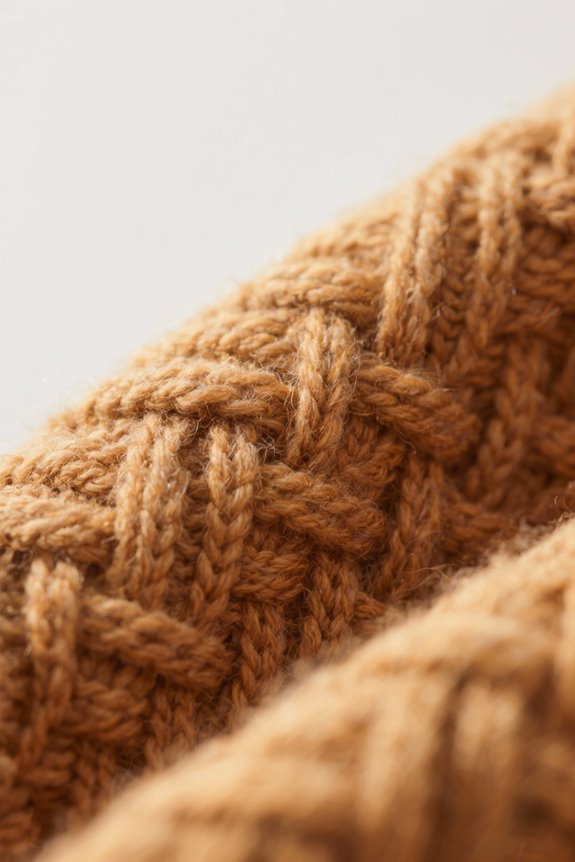
Choosing the right detergent is key for keeping sweaters looking their best. Liquid detergents are better than powder because they dissolve completely. This means less fiber damage and a lower risk of pilling. Certain detergents contain cellulose enzymes. These enzymes help loosen and remove pills directly during washing. They can also help with detergent performance. It is important to choose mild detergents made for delicate fabrics like wool or cashmere. Avoid products with fabric softeners. These can harm the fibers and cause them to clump together. Using the right amount of detergent is also essential. Too much can leave residue that stiffens fibers. Overall, selecting the right detergent protects your knitwear and extends its life effectively. Additionally, opting for detergents designed for delicate fabrics like wool can further enhance the care of your merino wool cardigans.
Optimal Water Temperature for Washing
When it comes to keeping sweaters looking nice, the right water temperature is important. Cold water, between 60–80°F (15–27°C), is safe for all knitwear. It helps prevent shrinking and color bleeding. Lukewarm water, up to 86°F (30°C), works for some knits, but higher temperatures can harm fibers. Hot water often causes shrinkage and weakens fiber integrity. This is especially true for natural fibers like wool. To maintain softness and reduce pilling, always wash in cold water or the coolest settings. Always check the care label for guidance. When washing, gentle cycles are best. This preserves the yarn’s integrity and helps keep your sweater looking great for longer. Use mesh bags for extra protection during machine wash. Additionally, using quality materials can help reduce pilling and fraying during washing.
Gentle Wash Cycles for Delicate Fabrics
Gentle wash cycles are essential for protecting delicate fabrics like sweaters. These cycles use low agitation, which minimizes fabric friction and stress. This is important as it helps protect the delicate fibers. Also, gentle cycle adjustments include reduced spin speeds. Lower speeds prevent stretching and distortion that can happen during washing. The wash action is slow and soft, providing a gentle clean. Cycle durations are usually shorter, around 10 to 40 minutes, to further protect the fabric. Suitable fabric types for these cycles include wool, silk, lace, and knitted sweaters. Sweaters that are labeled “machine washable” but delicate should be washed on gentle cycles to maintain shape and reduce pilling risk. Thicker materials can also be more resilient and resist pilling better, making gentle care even more crucial. Always follow care labels when washing.
The Importance of Laundry Bags
Using laundry bags has great benefits for washing sweaters. They reduce mechanical friction during the wash, which helps in fiber protection. When sweaters are in laundry bags, they are safe from tangling with zippers or buttons on other clothes. This action also prevents fibers from loosening and forming pills. A mesh bag can keep delicate fibers safe from damage. It allows water and detergent to clean well while preventing excessive wear. Plus, these bags reduce static electricity, keeping lint from sticking to the wool or cashmere. Choosing the right size is key to prevent overstuffing. Thicker knits can offer better insulation against cold weather, making your sweaters even more valuable. Laundry bag benefits are clear: they help maintain the look and feel of your beloved knitted sweaters for longer.
Air-Drying vs. Tumble Drying
Air drying and tumble drying are two common ways to dry sweaters. Air drying is often the best choice. This method reduces friction and protects delicate fibers from damage. Laying sweaters flat or hanging them avoids the rubbing that happens in dryers. This process helps keep the fabric’s shape. Cooler air also helps preserve fiber strength, which is important for avoiding pilling. On the other hand, tumble drying can cause problems. It increases friction and heat, leading to fiber wear and more pilling. Even using low heat does not fully protect the fibers. Manufacturers usually suggest air drying for delicate knits. Furthermore, using high-quality natural fibers like cashmere can enhance durability and reduce the risk of pilling. Reading care labels is important to select the right drying method for your sweater’s fabric.
Proper Drying Techniques
Proper drying techniques play a big role in keeping sweaters looking good for a long time. It is important to lay sweaters flat on drying trays or drying racks. This helps maintain their shape and prevents stretching. Reshape the garments before drying and smooth out wrinkles to reduce agitation. Choose a well-ventilated area, but remember to avoid direct sunlight. High heat can weaken fibers, so avoid using hot tumble dryers. If necessary, use the lowest heat setting. Consider turning sweaters inside out for better protection. Using fabric softener during washing can also help. It makes fibers glide past each other easier, reducing pilling. Following these tips can keep your sweaters looking nice longer.
Handling Loose Pills
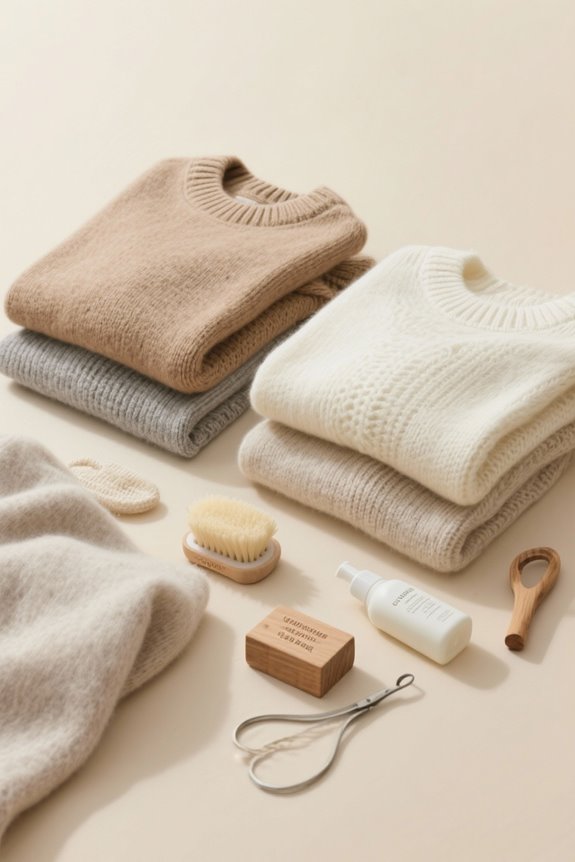
Loose pills on sweaters can be annoying. Handling these pills requires care. Pilling prevention techniques include using fabric shavers, which have rotating blades to safely remove pills. Sweater combs can also be effective for manual lifting of pills. Small scissors or razor blades may be used, but caution is key to avoid cuts. For those quick fixes, adhesive rollers can pick up pills easily. Nylon tights can lift pills gently, while soft-bristled brushes work well too. When using any of these tools, gentle pressure prevents damage. Always keep sweaters flat during removal for better control. Regular maintenance, like brushing or shavers, can help reduce loose pills and keep sweaters looking new.
Minimizing Friction During Wear
When wearing a sweater, minimizing friction can help prevent pilling. High-friction areas are common places for pilling, like elbows and armpits. To reduce this, wear smoother under layers, such as silk or synthetic fabrics. Avoid tight-fitting clothing, as this increases tension and rubbing. Also, do your best to limit activities involving lots of arm or body movement.
Using fabric layering is effective too. Layer sweaters over low-friction materials to decrease abrasion. Be careful with rough surfaces, like desk edges or certain chairs, since they push against the sweater. Accessories, like backpacks, can also create friction. Keeping these tips in mind promotes friction reduction and helps maintain the sweater’s appearance for longer.
Washing Frequency and Spot Cleaning
Minimizing friction during wear is important for keeping sweaters looking good. It is best to wear new sweaters 2 to 3 times before the first wash. This helps the fibers settle and lowers pilling. Regular washing after initial wears is essential as it helps restore color and reduce pilling. Generally, sweaters need washing every 2 to 5 wears, except if visibly dirty or smelling. Spot cleaning is also useful. Instead of washing the entire sweater, address individual stains. This conserves energy and protects fibers from damage. By practicing good pre wash preparation and sweater rotation, owners can extend the life of their knitted garments. Following these tips will help keep sweaters looking fresh without excessive washing.
Selecting Quality Fabrics
Selecting quality fabrics is essential for keeping sweaters looking their best. Fabrics that have good durability are less likely to pill. For example, polyester blends and ring-spun cotton are great choices. They have tightly woven fibers, which reduce wear. Combed cotton also helps because it removes shorter fibers that cause pilling. Merino wool is strong and minimizes fuzz. Another excellent option is alpaca wool, which does not pill at all. It stays in good condition longer. Tighter weaves can help reduce fiber breakage, making the fabric less prone to pills. Additionally, using longer fiber types can also reduce pilling. Picking the right material is key for maintaining the look and feel of knitted sweaters over time.
Avoiding Fabric Blends
Fabric blends can often seem appealing due to their variety and texture. However, they carry a higher risk of pilling. Blends that mix natural fibers, like wool or cotton, with synthetic fibers, such as polyester or acrylic, tend to pill more. The combination of shorter synthetic fibers with longer natural fibers can lead to fiber breakage and fuzz formation. Sweaters made of loosely woven blends are especially prone to this problem. It is best to avoid blends with high amounts of polyester or acrylic if pilling is a concern. Instead, consider tightly knit blends that combine longer staple natural fibers with synthetics. This can help reduce the likelihood of pilling and make your sweater last longer.
Unique Preventative Techniques
There are several unique techniques that can help prevent pilling on sweaters. One effective method is the freezer treatment. Placing wool sweaters in a sealed bag and storing them in the freezer for 48 hours acts as a fiber treatment. This cold environment tightens fibers and reduces pilling risk. Gentle washing practices are also important. Using liquid detergents and turning sweaters inside out can protect fibers. Additionally, limiting friction during wear is key. Avoid rough surfaces and rotate garments to evenly distribute wear. Ultimately, choosing higher-quality yarns that are tightly knit helps with pilling prevention. Taking these steps guarantees longer-lasting, pilling-free sweaters for everyone.
Proper Storage Methods
Proper storage methods play a key role in keeping sweaters in good condition and preventing pilling. It is better to fold sweaters instead of hanging them. Folding avoids stretching and distortion, which can create fiber friction. Heavy knits like wool and cashmere should be stacked neatly on shelves or in drawers. For lighter knits, folding lengthwise works well. Always clean sweaters before they are stored, as dirt can attract pests. Guarantee they are completely dry to avoid mildew. Use breathable storage solutions, such as cotton bags, to allow humidity control. Keep them away from direct sunlight and avoid overstuffing storage areas. This way, sweaters remain less prone to pilling and stay in great shape for a long time.
Maintaining Sweater Condition During Off-Season
Maintaining sweater condition during the off-season is essential for keeping them looking good. Before off season storage, check for small holes, snags, or loose threads. Repair any damage quickly to avoid it getting worse. Use padded hangers but only for a short time. It helps keep the shape. Regular inspections can prevent surprises. Washing only when necessary is key to protecting fibers. Use gentle methods like cold water and special detergent. Storing sweaters clean also avoids odors or moth issues. Use natural deodorizers, like cedar blocks, to help fight pests. Rotate sweaters from storage occasionally. This keeps them fresh and helps maintain their quality for the next wearing season.
Frequently Asked Questions
Can Pilling Happen Even on High-Quality Sweaters?
Yes, pilling can occur on high-quality sweaters due to pilling causes such as fiber abrasion and wear habits. While fabric quality influences resistance, even premium fibers can form pills over time through normal use.
How Does Humidity Affect Pilling on Knitted Sweaters?
In a moist garden, yarn types entangle like delicate flowers. Humidity effects unfurl fiber cuticles, inviting friction’s dance. As warmth mingles with moisture, pilling flourishes, transforming splendid textures into unwelcome chaos, demanding careful stewardship.
Are Certain Colors More Prone to Pilling Than Others?
Certain colors are more prone to pilling due to color stability and dye quality. Dark hues often reveal pilling more conspicuously, while lighter colors may mask it better, influenced by dyeing processes and fiber types.
Can I Remove Pilling Without Damaging the Fabric?
Yes, pilling can be removed without damaging the fabric through careful sweater care and appropriate fabric treatment methods. Tools like sweater combs and gentle electric shavers effectively minimize risk while maintaining the integrity of the garment.
Is Dry Cleaning Safe for Wool Sweaters to Prevent Pilling?
Yes, dry cleaning can safely clean wool sweaters while preventing pilling. Professional techniques and non-damaging chemicals care for delicate fibers, ensuring their longevity and maintaining texture, though concerns about cost and chemical exposure should be considered.
Conclusion
In conclusion, to keep pilling away from knitted sweaters, use best practices. Remember to wash them inside out. Choose the right detergent; it is very important. Always use gentle cycles and proper water temperature. Don’t forget laundry bags! Avoid fabric blends as they can create more pills. During off-season, store them properly. Follow these tips, and your sweaters will stay looking great. Nobody wants a sweater that looks like a fuzzy mess. Keep it neat and fresh!