As an Amazon Associate, we earn from qualifying purchases. Some links may be affiliate links at no extra cost to you. Although our opinions are based on curated research, we haven't used these products. Articles generated with AI.


When Should You Replace An Old Sweater?

Old sweaters should be replaced when they show clear signs of wear, like tears or holes. Frayed edges or loose threads also mean it is time to let go. If the fit changes, such as sagging shoulders, it might no longer be good to wear. Material and washing habits affect lifespan too. Additionally, the emotional value may affect the decision to keep an old sweater. Find out more about the care and disposal of sweaters.
Key Takeaways
- Replace your sweater if it has significant tears, holes, or frayed edges compromising its appearance or fit.
- Consider replacement when seams are separated or if the sweater has excessive fading and extensive pilling.
- If the sweater experiences sagging or lasting distortion from frequent wear, it may be time for a new one.
- Evaluate whether the repair costs exceed the price of a new sweater; replacement may be more economical for extensive damage.
- If the sweater holds sentimental value but is no longer functional, consider donating it instead of discarding.
Signs of Wear and Damage
You may be interested


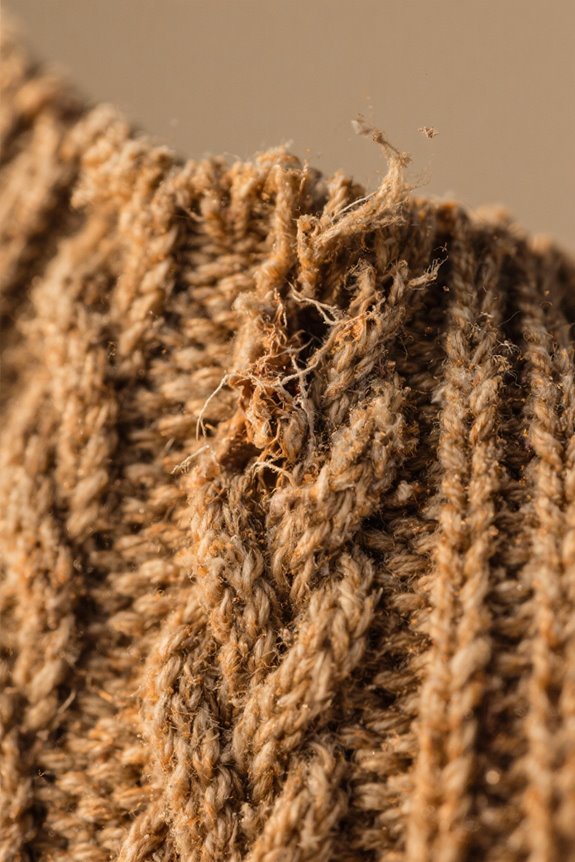
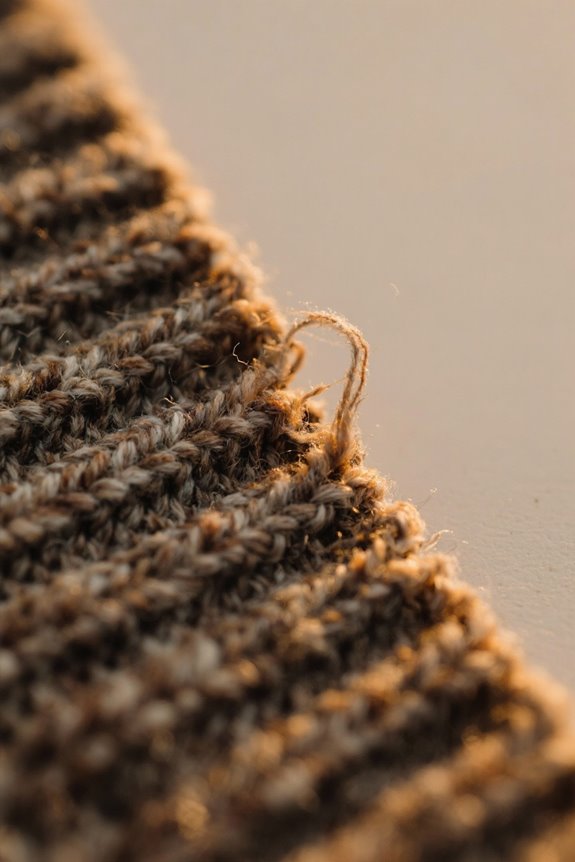
When evaluating an old sweater, several signs of wear and damage may indicate a need for replacement. Tears or holes, especially in rub areas, show fabric deterioration. Frayed edges at cuffs and hems often can’t be simply repaired. Seams that separate or have loose threads compromise the sweater’s fit. Excessive fading can affect the look and age the fabric. Texture change is another sign to take into account. Pilling, formed from friction, is common and indicates fiber breakdown. Smooth fabric may become rough or shiny, especially on elbows. Sweaters may also lose their original shape and style over time. If many of these issues appear, replacing the sweater may be a good idea to maintain a fresh wardrobe. Regular inspections are essential to identify quality materials that enhance durability, comfort, and warmth.
Material Degradation and Lifespan
Material degradation is an important topic for anyone who owns sweaters. Different fiber compositions affect a sweater’s lifespan. Natural fibers, like wool and cotton, tend to decompose faster in soil compared to synthetic blends. For example, knitted wool shows significant mass loss in about two months, and pure cotton can vanish in weeks under the right conditions. On the other hand, fibers like polyester can take up to 200 years to biodegrade. Synthetic blends slow down decay, extending the sweater’s usefulness. However, they hinder natural longevity. The choice of fabric and how it is cared for heavily influences the sweater’s durability over time. Consequently, understanding material degradation helps owners decide when it’s really time for a new sweater. Additionally, high percentage of merino wool in sweaters can enhance softness and breathability, contributing to their overall comfort and longevity.
Recommended Products

OUR HISTORY: Dale of Norway's factory has been operating since 1879. Our legacy as leading makers of wool garments is due to our unique patterns & innovative knitting technology.

Celebrate the classic look and timeless comfort of Norwegian sweater styles with the Dale of Norway 140th Anniversary Masculine Sweater!

100% Premium Irish Merino Wool - Crafted from pure Irish Merino wool, this cardigan sweater is built to keep you nice and toasty out in the cold, as Merino wool is known for its insulating warmth, breathability, and softness
Fit Changes Requiring Replacement

Sweaters can lose their proper shape over time due to wear and tear. One must conduct a fit evaluation regularly. If a sweater shows sagging shoulders, loose cuffs, or a drooping hemline, replacement may be needed. When fibers stretch from frequent wear, they may not fully recover, leading to lasting distortion. Some synthetic blends do not reshape well either. If the fit is poor, it may be uncomfortable and affect outfit choices. Alterations can work if the changes are slight, like shortening sleeves. However, severe fit issues mean replacement is best. Therefore, monitoring fabric recovery is important for maintaining sweater longevity. Additionally, materials like 100% organic cotton can help maintain a sweater’s shape and durability over time. In the end, a well-fitting sweater is essential for comfort and style.
Recommended Products

PREMIUM ORGANIC COTTON: Made from 100% organic cotton, this women's knit sweater offers breathable comfort, softness, and a lightweight feel for all-day wear.

Sustainably made with 100% GOTS certified organic cotton (this product is labeled with a GOTS label)

THE FIT - Loose men’s unisex fit leaves room for layers and movement. Full zip-up design lets you cool down or warm up with ease.
Maintenance and Care Impact on Lifespan
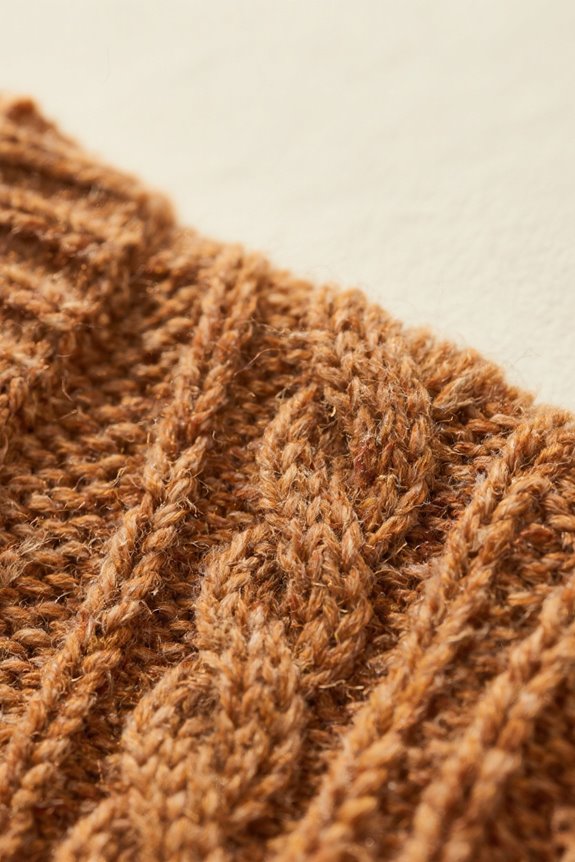
Proper maintenance and care are essential for extending the lifespan of any sweater. The right maintenance techniques can make a big difference. Sweaters do not need to be washed after every wear. Overwashing can damage the fibers faster. Lightly worn sweaters can be washed every 3-5 wears, but if it is dirty or close to the skin, wash it right away. Hand washing is best for delicate fabrics. Use gentle detergents to keep the fibers strong. After washing, don’t wring sweaters; just press out water. Drying properly is also important. Always lay the sweater flat to dry. Avoid hanging, which can stretch the shape. Proper storage, like folding instead of hanging, helps too. These steps all help keep sweaters looking good longer. Additionally, cardigan maintenance involves checking for shedding during washes to preserve quality.
Recommended Products
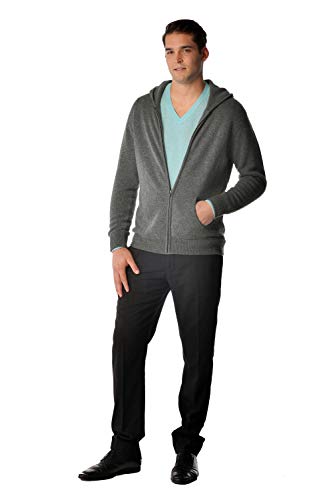
𝐋𝐔𝐗𝐔𝐑𝐈𝐎𝐔𝐒 𝐌𝐀𝐓𝐄𝐑𝐈𝐀𝐋: Crafted from 100% pure cashmere, our men's hooded sweater provides an unparalleled level of softness and warmth. Experience the ultimate comfort only genuine cashmere can offer, ensuring you stay cosy and stylish all season long.

Soft and Comfortable Material:cardigan sweaters for men crafted from 100% pure cashmere,these shawl collar sweater provide unparalleled softness and warmth without being bulky,show the elegance of men

Natural materials: this stunning piece was crafted from 100% Merino Wool, which is an upgraded version of regular wool, but much softer and lacking its regular itchiness
Style and Fashion Factors
Fashion trends often change quickly, which can impact when it is time to replace an old sweater. Style evolution is often influenced by consumer preferences and seasonal shifts. For example, trends like Y2K fashion or 90s grunge can make older designs feel outdated sooner. Fashion forecasting shows that maximalism, with bold prints, contrasts against minimalism. If a sweater no longer fits these trends, it may be time to contemplate a replacement. Fast fashion adds urgency, as newer, trendier options become available often. Additionally, climate change affects sweater choices, with lighter materials gaining popularity. Overall, it’s important to stay updated on current styles and replace sweaters that don’t match today’s fashion landscape, especially considering the rise of chunky knitted cardigans which have become popular for their warmth and stylish appearance.
Economic Considerations
When considering the economic aspects of replacing an old sweater, many factors come into play. Repairing sweaters is often cheaper than buying new ones. For example, repairing a sweater can displace the need for four new purchases. It saves household budgets over time. Also, second-hand markets save money, allowing consumers to spend on higher-quality items. Cost-saving strategies like repair discounts encourage this behavior. Extended producer responsibility in some countries offers incentives for repairs. Renting clothing can lead to less replacement frequency. All these factors influence consumer behavior. They help individuals make informed decisions. Understanding these economic considerations can lead to better choices about when to replace that old sweater. It’s about saving money while also helping the community. Additionally, considering the durability and quality of materials in high-quality materials can significantly extend the lifespan of a sweater.
Recommended Products

🔹 𝗨𝗡𝗟𝗘𝗔𝗦𝗛 𝗔𝗥𝗧𝗜𝗦𝗧𝗜𝗖 𝗩𝗜𝗦𝗜𝗢𝗡 Craft imaginative needle felt creations with soft, vibrant core wool—perfect for sculpting animals, figures, and textured designs.
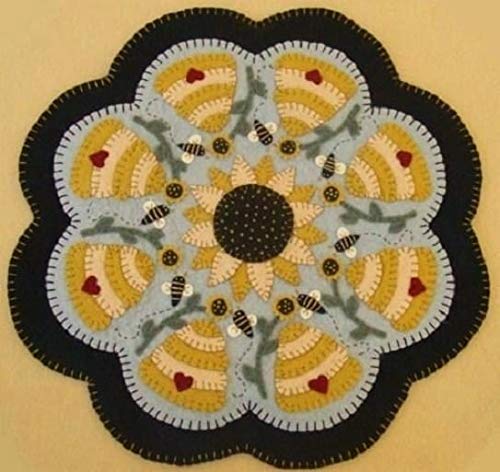
Kit comes with Pattern, Pre-cut, Pre washed Merino Blend Felt, and Threads

60 VIBRANT COLORS FOR UNLIMITED CREATIVITY: This eco wool felting kit includes 60 loose felt wool shades—perfect for characters, animals, ornaments, or abstract designs.
Environmental Impact of Replacement
The environmental impact of replacing an old sweater is significant and often overlooked. Each year, global textile waste reaches about 92 million tonnes, with many items ending up in landfills. In the United States, 85% of textiles are tossed away. When people discard sweaters quickly, it adds to this textile waste issue. Fast fashion fuels this problem, where clothes are worn only a few times. Producing new sweaters wastes resources too. It takes a lot of water and energy to create garments. Additionally, new clothing production is linked to increased carbon emissions. By helping old sweaters last longer through repair, individuals can reduce their environmental impact. This small choice can play a big role in lowering textile waste and protecting the planet.
Common Misconceptions About Sweater Longevity
What does it mean for a sweater to last long? Many think that all sweaters are the same. In truth, longevity depends on many factors, such as sweater care and how often it’s worn. Customers wash their sweaters differently, and some might wash after every use, while others wait longer. This affects how fast a sweater wears out. Additionally, fiber types matter. Natural fibers like wool or cashmere usually last longer without showing wear compared to synthetics like polyester, which can wear out faster. Also, activities influence the lifespan. Heavy use or friction causes faster damage than light wear. Understanding these misconceptions helps in better deciding when a sweater truly needs replacing. So take care of your sweaters wisely!
Evaluating Sentimental Value vs. Practical Use
Sentimental value in clothing plays a significant role in how people decide to keep or replace their sweaters. Many individuals feel a sentimental attachment to their sweaters because they represent important memories or events. These garments can become more than just clothing; they hold emotional significance. Even if their practical use declines, people may hold onto these items for comfort. This can lead to the decision to keep sweaters for memories instead of daily wear. However, it is essential to evaluate if the sweater still serves a functional purpose. Balancing sentimental value with practical needs can help when deciding whether to replace an old sweater, allowing individuals to manage their feelings alongside their wardrobe needs effectively.
Making the Decision: Repair or Replace
How does one decide whether to repair an old sweater or buy a new one? First, assess the damage. Minor issues like small tears can often be fixed using simple repair techniques, while extensive damage may mean replacement is better. If repairs cost near a new sweater, consider replacing it instead. Remember, average repairs usually cost between $20 to $50, but complex repairs may exceed the cost of a new item. Think about garment longevity too. A sweater losing shape or style may not be worth fixing. If time is short, buying new offers quicker satisfaction. Evaluate how long you plan to keep the sweater, and base your decision on costs and practicality.
Recommended Products

Kit comes with Pattern, Pre-washed and Pre-cut Merino Blend Felt, and Threads

Kit comes with Pattern, Pre washed Merino Blend Felt, and Threads

Kit comes with Pattern, Pre washed Merino Blend Felt, and Threads
Sustainable Alternatives for Sweater Disposal
After deciding on whether to repair or replace an old sweater, finding the right way to dispose of it comes next. Donating sweaters has a positive donation impact, helping those in need while reducing textile waste. Resale benefits exist too, as selling through secondhand platforms promotes reuse. Clothing swaps can also be fun and reduce the need for new items. There are great recycling options, with programs that turn old fabrics into new products. For wool or cotton sweaters, composting methods allow them to return to the earth safely. Upcycling ideas include turning them into mittens or blankets. All these pathways contribute to textile recovery, supporting a more sustainable approach to clothing disposal.
Frequently Asked Questions
How Can I Tell if My Sweater Is Worth Repairing?
To determine a sweater’s worth for repair, assess fabric quality, extent of damage, and repair costs. High-quality materials and minor damage favor longevity, while excessive wear or high repair costs may suggest replacement instead.
What Types of Fabrics Are Most Durable for Long-Lasting Sweaters?
Durable fabrics for long-lasting sweaters include cashmere quality, known for softness and resilience, and wool blends, which enhance strength and elasticity. These materials contribute notably to garment longevity, ensuring comfort and performance in various conditions.
Are There Specific Washing Techniques for Delicate Sweaters?
Delicate fabrics, like fragile butterflies, yearn for gentle care. Specific washing methods include cool water, mild detergents, and soft agitation, steering clear of harsh treatments that might ruin their whimsical elegance and lasting beauty.
How Do I Store Sweaters to Prevent Damage?
To prevent damage, sweaters should be properly folded and stored in breathable cotton garment bags or soft-lined containers, avoiding plastic to prevent moisture buildup, which can lead to mold and degrading fabrics over time.
Can I Donate Sweaters With Minor Flaws or Signs of Wear?
Donating sweaters with minor flaws or signs of wear is generally acceptable under donation guidelines at thrift stores, provided they are clean, wearable, and free from significant damage, ensuring they can still serve their purpose effectively.
Conclusion
To sum up, knowing when to replace an old sweater is important. Signs like holes, faded colors, or stretched fit mean it may need to go. Materials also break down over time. Style changes might prompt a replacement too. Also, think about how much you care for the sweater. Understanding these factors helps in deciding. Be mindful of sustainability when disposing of old sweaters. Repairing is smart sometimes, but a new sweater can feel fresh and cozy.